China's Wang Yi Visits Seoul as Trump Signals Push to Revive North Korea Talks
Chinese Foreign Minister Wang Yi arrived in Seoul for talks with his South Korean counterpart Cho Hyun, days after Seoul and Washington scaled back joint military exercises, as U.S. President Donald Trump voices renewed interest in engaging North Korean leader Kim Jong Un.
Chinese Foreign Minister Wang Yi arrived in Seoul for talks with his South Korean counterpart Cho Hyun, days after Seoul and Washington scaled back joint military exercises, as U.S. President Donald Trump voices renewed interest in engaging North Korean leader Kim Jong Un.
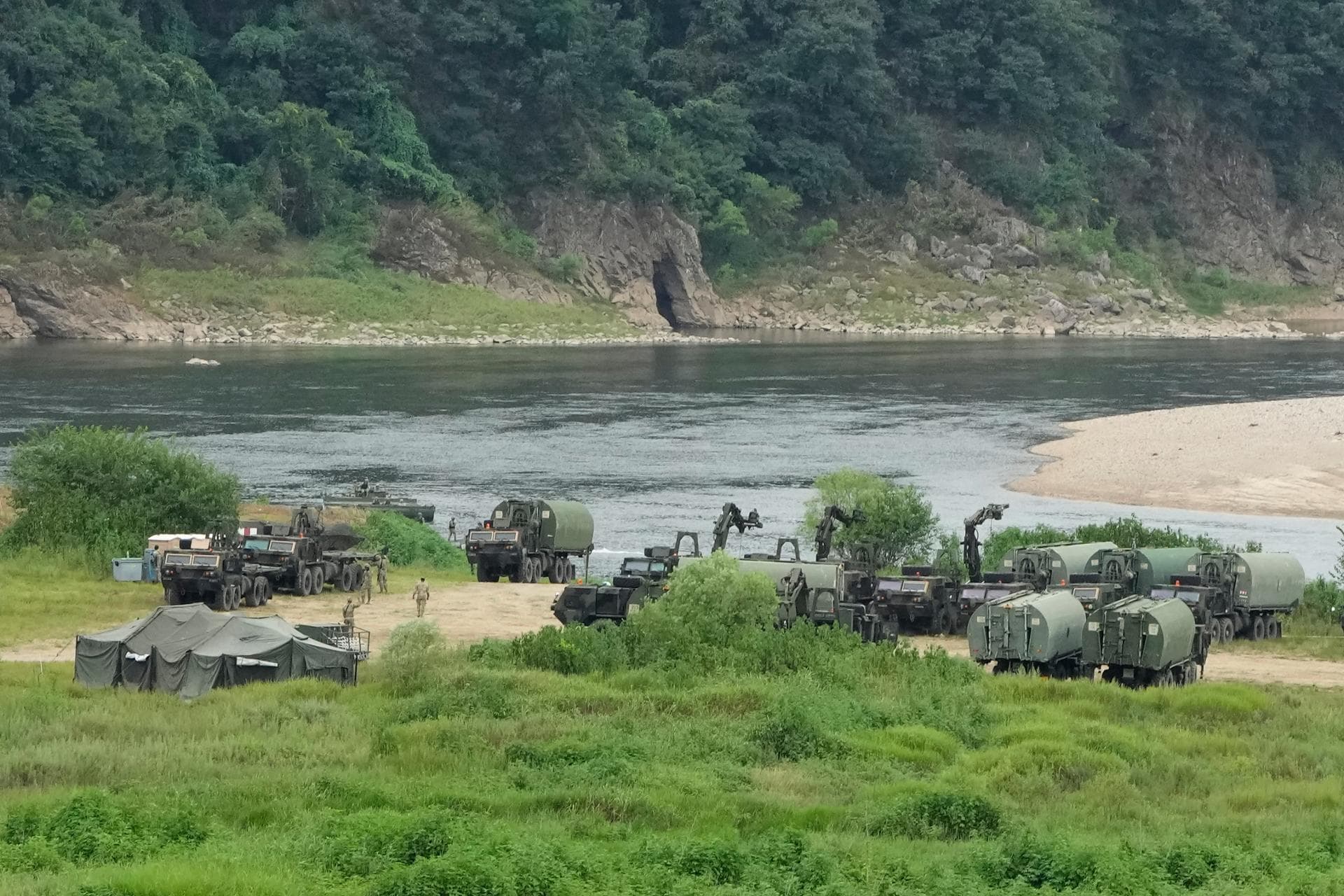
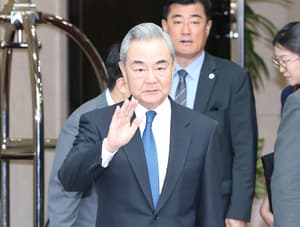
Chinese Foreign Minister Wang Yi arrived in Seoul on Wednesday for high-level talks with South Korean Foreign Minister Cho Hyun, a visit that comes at a delicate moment for regional diplomacy on the Korean Peninsula. The trip follows a decision by Seoul and Washington to scale back their joint military exercises, a move widely seen as an attempt to create more favorable conditions for renewed dialogue with Pyongyang.
The meeting between Wang and Cho is expected to focus heavily on Korean Peninsula security issues, including North Korea's nuclear and missile programs and the broader stability of the region. China, as North Korea's most important ally and economic lifeline, is widely viewed by both Washington and Seoul as holding significant leverage over Pyongyang's calculations, making Beijing's cooperation a recurring focus of diplomatic outreach.
The visit unfolds against the backdrop of U.S. President Donald Trump's repeated public statements expressing a desire to revive direct diplomacy with North Korean leader Kim Jong Un. Trump held three in-person meetings with Kim during his first term, though those talks ultimately failed to produce a lasting agreement on denuclearization. Since returning to office, Trump has again signaled openness to re-engaging Kim, fueling speculation about a possible new round of summitry.
The decision by South Korea and the United States to reduce the scale of their combined military drills is likely to be read in both Beijing and Pyongyang as a conciliatory gesture. Large-scale allied exercises have long been condemned by North Korea as rehearsals for invasion, and past reductions or suspensions of such drills have at times coincided with periods of eased tension and diplomatic openings on the peninsula.
For Seoul, balancing its alliance commitments with Washington against the need to manage relations with Beijing remains a persistent challenge. South Korea depends on China as a major trading partner while relying on the United States as its principal security guarantor, a dynamic that shapes how Cho and other South Korean officials approach discussions with their Chinese counterparts on North Korea policy.
Neither side has indicated that the talks are expected to produce immediate breakthroughs, and officials from Seoul, Washington and Beijing have historically approached North Korea diplomacy with caution given the long history of stalled negotiations. Still, the timing of Wang's visit — arriving just as Trump reiterates his interest in reviving contact with Kim — suggests that all parties are recalibrating their positions as the possibility of renewed U.S.-North Korea engagement resurfaces.
Further details on the outcome of the Wang-Cho meeting, including any joint statements or agreed next steps, were not immediately available.
Where it matters
Related coverage
China Tests South Korea Opening as Trump Unsettles Alliance
Beijing is dispatching top diplomat Wang Yi to Seoul, seeking to exploit strains in the US-South Korea alliance after Washington scaled back joint military exercises, Bloomberg reports.

Trump's Order to Scale Back Drills Rattles US-South Korea Alliance
Wang Yi Visits Seoul as South Korea Pushes for Multiparty Talks to End Korean War