Wang Yi Visits Seoul as South Korea Pushes for Multiparty Talks to End Korean War
Chinese Foreign Minister Wang Yi arrived in Seoul for a two-day visit focused on North Korea and regional security, as President Lee Jae-myung tries to build support for multiparty talks to formally end the Korean War.
Chinese Foreign Minister Wang Yi arrived in Seoul for a two-day visit focused on North Korea and regional security, as President Lee Jae-myung tries to build support for multiparty talks to formally end the Korean War.
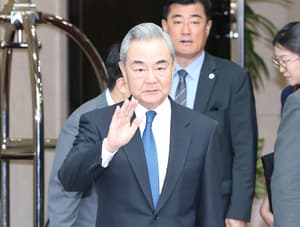
Chinese Foreign Minister Wang Yi landed in Seoul on Wednesday for a two-day visit that will bring him face to face with South Korea's three top foreign policy figures, at a moment when President Lee Jae-myung is trying to rally international backing for talks aimed at formally ending the 1950-53 Korean War.
The itinerary is packed. Wang held talks with Foreign Minister Cho Hyun on Wednesday evening followed by an official dinner, with discussions expected to touch on bilateral ties, the situation on the Korean Peninsula and broader regional issues. On Thursday, he is scheduled to pay a courtesy call on President Lee, followed by separate talks and a luncheon with National Security Adviser Wi Sung-lac, who serves as Wang's counterpart in high-level strategic consultations given his own role atop China's foreign policy apparatus.
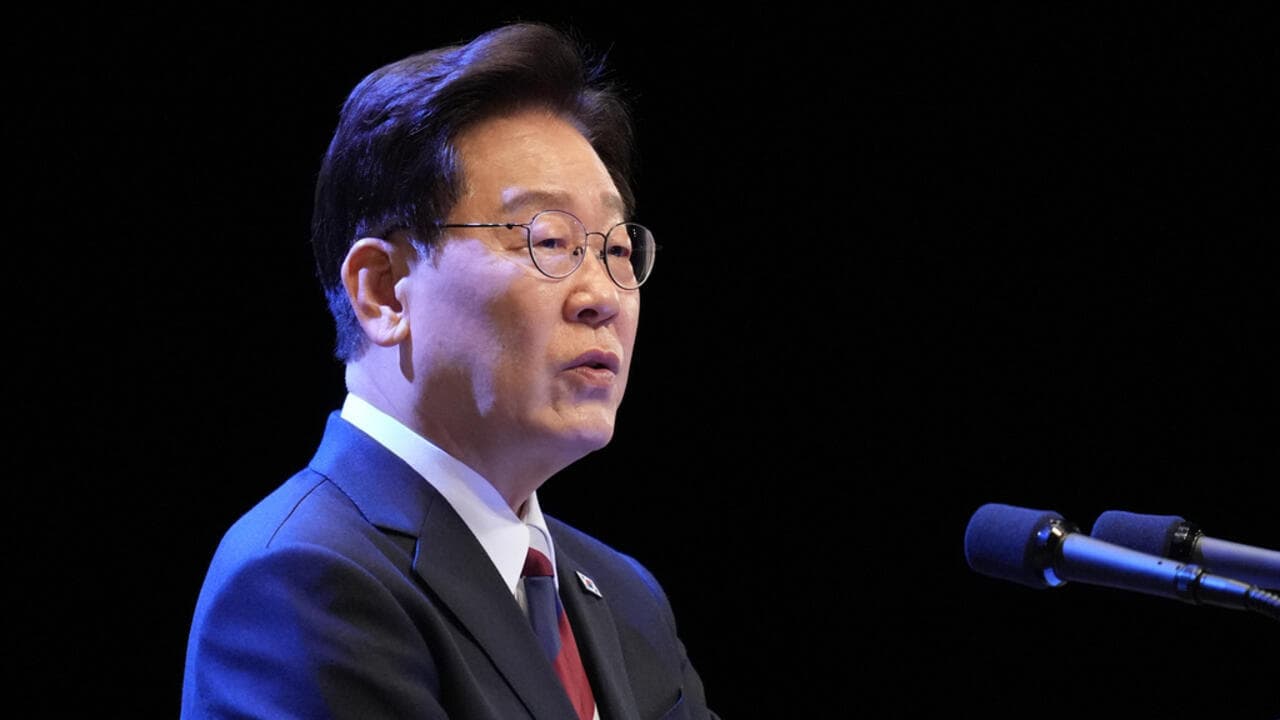
The trip lands at an unusually fluid moment for Korean Peninsula diplomacy. In his Liberation Day address over the weekend, Lee proposed that concerned parties open discussions on replacing the fragile armistice that has governed the peninsula since 1953 with a formal peace arrangement, part of his broader push for what he calls peaceful coexistence with North Korea. Because the armistice was signed by the United Nations Command, North Korea's military and Chinese People's Volunteers, Beijing would almost certainly need to be part of any process to formally close out the war.
A South Korean foreign ministry official said this week that Lee's peace initiative is expected to come up directly in Wang's meetings, noting that discussions would follow naturally from the vision the president laid out for the peninsula.
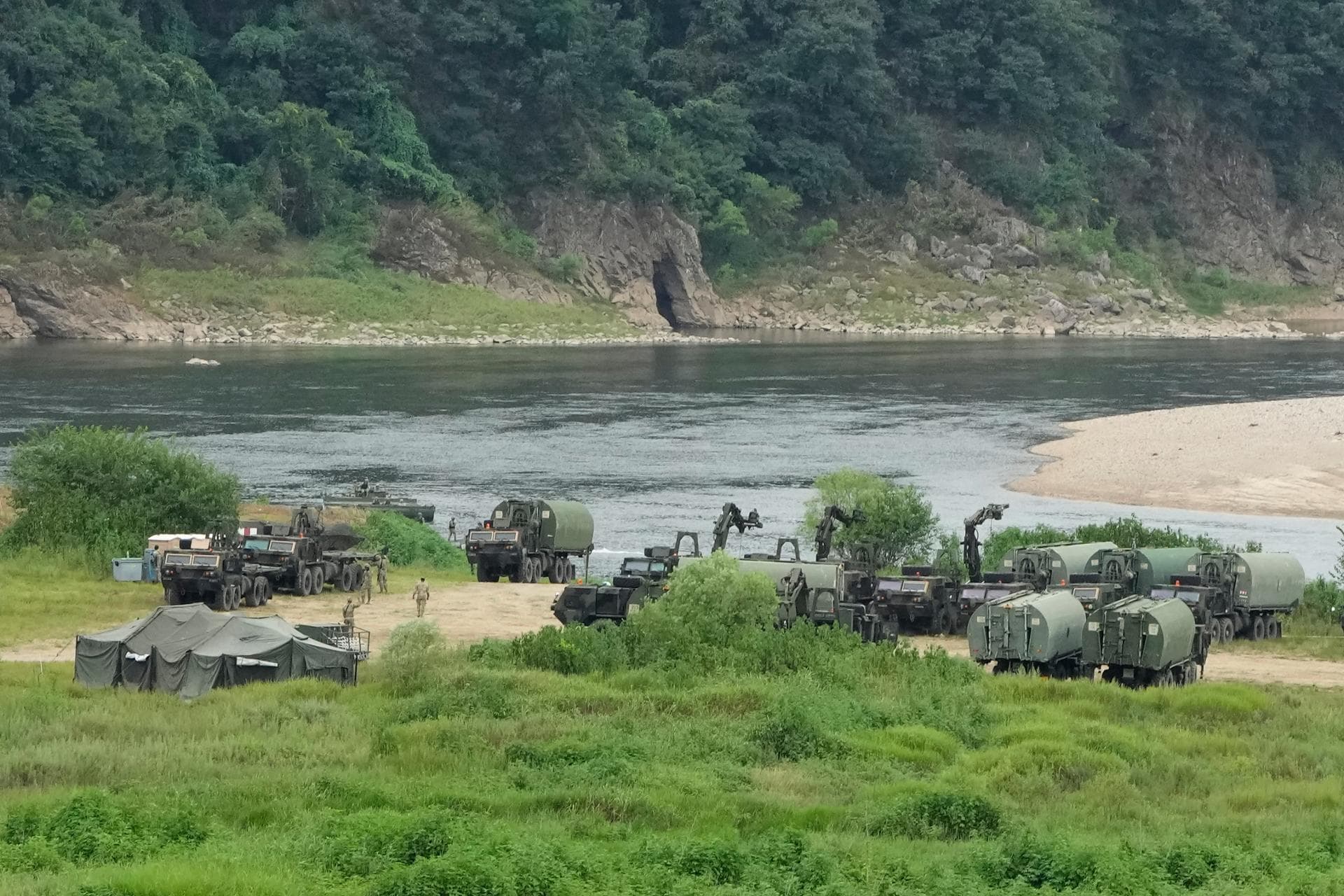
Adding urgency to the visit is a shifting posture from Washington. U.S. President Donald Trump ordered a significant scaling-back of the joint military exercises with South Korea over the weekend, citing costs and what he described as a strong rapport with North Korean leader Kim Jong-un. He said this week that Kim had responded positively to his outreach, and the Wall Street Journal has reported that Trump is angling for another in-person meeting with Kim as soon as this fall, potentially timed around a trip to China.
Against that backdrop, foreign policy analysts see Wang's visit as a test of whether Beijing is ready to take a more active hand in Korean Peninsula diplomacy. You Hyun-chung, an associate research fellow at the Institute for National Security Strategy, said in a report this week that the key signal to watch is not whether Wang mentions denuclearization but how forcefully he speaks of a political settlement and China's constructive role. She argued that if Seoul can draw a positive response from Beijing during the visit, it could help move Lee's peace initiative from a symbolic proposal toward genuine multiparty consultations.
Beyond North Korea, the visit gives Seoul and Beijing a chance to take stock of their broader relationship following two meetings between Lee and Chinese President Xi Jinping since Lee took office, in Gyeongju last November and in Beijing in January. China is due to host this year's APEC summit in Shenzhen in November, offering another potential venue for high-level diplomacy. Wang's trip marks his first official visit to South Korea since September 2021.
Where it matters
Related coverage

Trump's Order to Scale Back Drills Rattles US-South Korea Alliance
Seoul Voices Hope for US-North Korea Talks After Trump Orders Drills Scaled Back
South Korea's Lee Proposes Talks With North Korea to Formally End Korean War
