
Trump's Order to Scale Back Drills Rattles US-South Korea Alliance
President Trump has directed the Pentagon to sharply cut back this year's Ulchi Freedom Shield exercise with South Korea, a decision analysts warn undermines a pillar of the 70-year alliance and could leave a strategic opening for North Korea and China.
President Trump has directed the Pentagon to sharply cut back this year's Ulchi Freedom Shield exercise with South Korea, a decision analysts warn undermines a pillar of the 70-year alliance and could leave a strategic opening for North Korea and China.
President Donald Trump has ordered the Pentagon to "substantially" scale back this year's Ulchi Freedom Shield exercise, the annual joint drill with South Korea that has anchored the two countries' military partnership for decades. The order came just before the 11-day exercise was set to begin on Monday, leaving officials in Seoul scrambling to determine exactly what would be cut.
Trump cited what he described as a good relationship with North Korean leader Kim Jong Un and pointed to South Korea's refusal to join the United States in its war against Iran. In a social media post, he also complained that the exercise was costly, saying much of the expense was "paid for by the United States," echoing grievances he raised during his first term, when he suspended joint drills in 2018 to pursue now-stalled nuclear talks with Pyongyang.
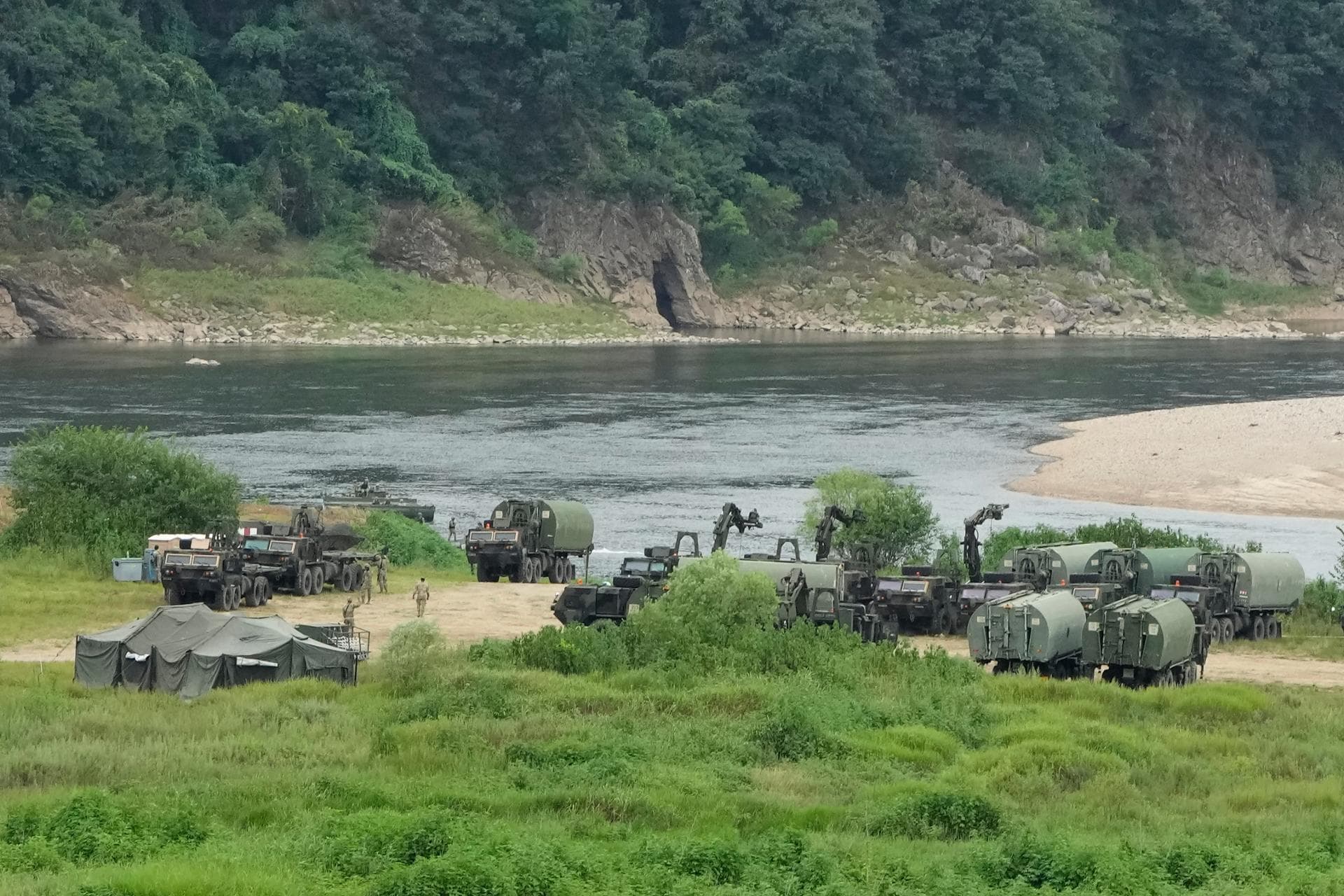
Ulchi Freedom Shield is a computer-simulated command post exercise designed to sharpen the allies' ability to respond to a potential conflict with North Korea, typically paired with live field training. South Korea's military had expected around 18,000 troops to take part this year, with roughly 14 field exercises planned and lessons drawn from North Korea's battlefield experience fighting alongside Russia in Ukraine. It remains unclear how much of that program will survive the cuts.
North Korea, which has long denounced the drills as rehearsals for invasion, used last week's announcement to accuse Washington and Seoul of preparing more provocative exercises and vowed to respond with what its foreign ministry called "a new level of a deterrent." Gen. Xavier Brunson, who commands roughly 28,500 U.S. troops stationed in South Korea, met South Korean Defense Minister Ahn Gyu-back this week in talks widely believed to focus on how the exercise will be pared down.
Seoul-based analysts say the fallout could extend well beyond this year's drills. Yang Uk of the Asan Institute for Policy Studies said Washington will likely keep the tabletop portion but scrap costly field training involving large troop movements, adding that any suspension risks leaving future commanders unfamiliar with wartime procedures once exercises resume. Jung Chang Wook of the Korea Defense Study Forum warned that a broader downsizing of joint drills could deal "a crippling blow" to the allies' combined operational readiness.
Other experts warn the shake-up could complicate South Korea's long-planned transition to a wartime command structure led by a South Korean general rather than a U.S. officer. Lee Illwoo of the Korea Defense Network said scaling back this year's exercise will likely delay that handover, a process President Lee Jae Myung has said he wants completed before his term ends in 2030. Many South Koreans see the transfer as a matter of national sovereignty, though others fear it could further loosen the alliance at a moment when Beijing has been stepping up diplomatic outreach toward Seoul, hoping to capitalize on any daylight between the longtime allies.
Where it matters
Related coverage
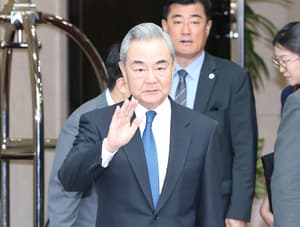
Wang Yi Visits Seoul as South Korea Pushes for Multiparty Talks to End Korean War
Seoul Voices Hope for US-North Korea Talks After Trump Orders Drills Scaled Back
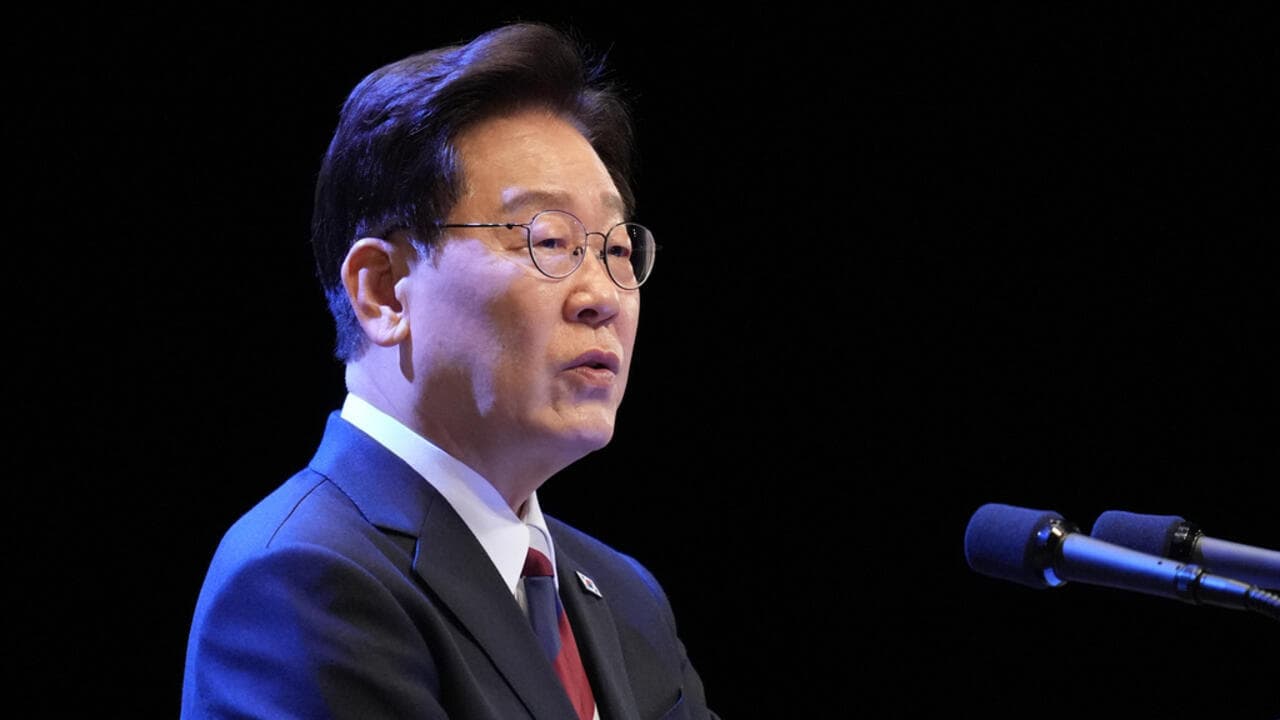
South Korea's Lee Proposes Talks With North Korea to Formally End Korean War
