China Tests South Korea Opening as Trump Unsettles Alliance
Beijing is dispatching top diplomat Wang Yi to Seoul, seeking to exploit strains in the US-South Korea alliance after Washington scaled back joint military exercises, Bloomberg reports.
Beijing is dispatching top diplomat Wang Yi to Seoul, seeking to exploit strains in the US-South Korea alliance after Washington scaled back joint military exercises, Bloomberg reports.
China's top foreign policy official, Wang Yi, is set to travel to Seoul in a visit Bloomberg frames as an attempt by Beijing to probe new openings in South Korea's foreign policy at a moment when President Donald Trump's approach to the alliance has unsettled long-standing security arrangements. The trip comes as Washington has scaled back the scope of joint military exercises with South Korean forces, a shift that has raised questions in Seoul about the durability of America's security commitments on the peninsula.
For decades, the US-South Korea alliance has rested on a steady rhythm of large-scale joint drills designed to deter North Korea and reassure Seoul of Washington's presence. Trump's willingness to trim or reconfigure those exercises, even as he pursues his own outreach to Pyongyang, has fed anxiety among South Korean officials and analysts that security guarantees could become negotiable rather than fixed.
Beijing appears eager to capitalize on that uncertainty. Wang Yi's visit is widely seen as part of a broader Chinese effort to rebuild ties with Seoul that frayed over the past decade, particularly after the 2017 THAAD missile-defense dispute triggered informal Chinese economic retaliation against South Korean businesses. Restoring warmer relations would give Beijing a wedge in a region where it has watched Washington deepen trilateral coordination with Seoul and Tokyo.
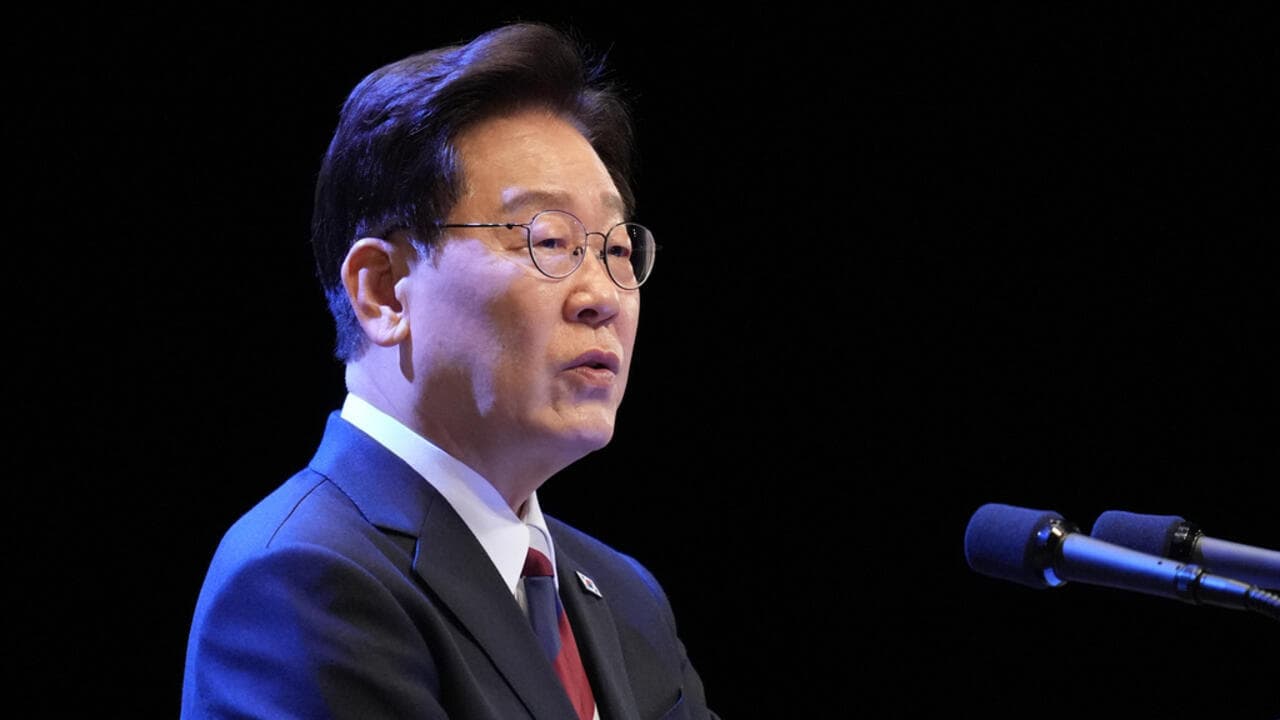
South Korean President Lee Jae-myung faces a delicate balancing act. His government has signaled interest in stabilizing relations with China, its largest trading partner, without abandoning the US alliance that remains the backbone of its defense against North Korea. Officials in Seoul have been cautious in public statements, wary of appearing to tilt too far toward Beijing while Washington's own posture appears in flux.
Analysts caution against reading too much into a single visit. South Korea's deep economic reliance on Chinese trade may push Seoul toward friendlier rhetoric, but its security dependence on US forces stationed on the peninsula, along with lingering distrust from the THAAD episode, makes a full strategic pivot unlikely in the near term. Still, the optics of Wang Yi arriving in Seoul just as Trump adjusts the military footprint underscore how quickly the China-US-Korea triangle can shift when Washington's signals grow less predictable.
The coming weeks are likely to bring more clarity, including how Seoul frames the visit publicly and whether Washington moves to reassure its ally with fresh commitments. For now, Beijing's outreach stands as a pointed reminder that gaps in US alliance management do not go unnoticed by rivals watching for opportunities to reshape the regional balance.
Where it matters
Related coverage

Trump's Order to Scale Back Drills Rattles US-South Korea Alliance
Wang Yi Visits Seoul as South Korea Pushes for Multiparty Talks to End Korean War
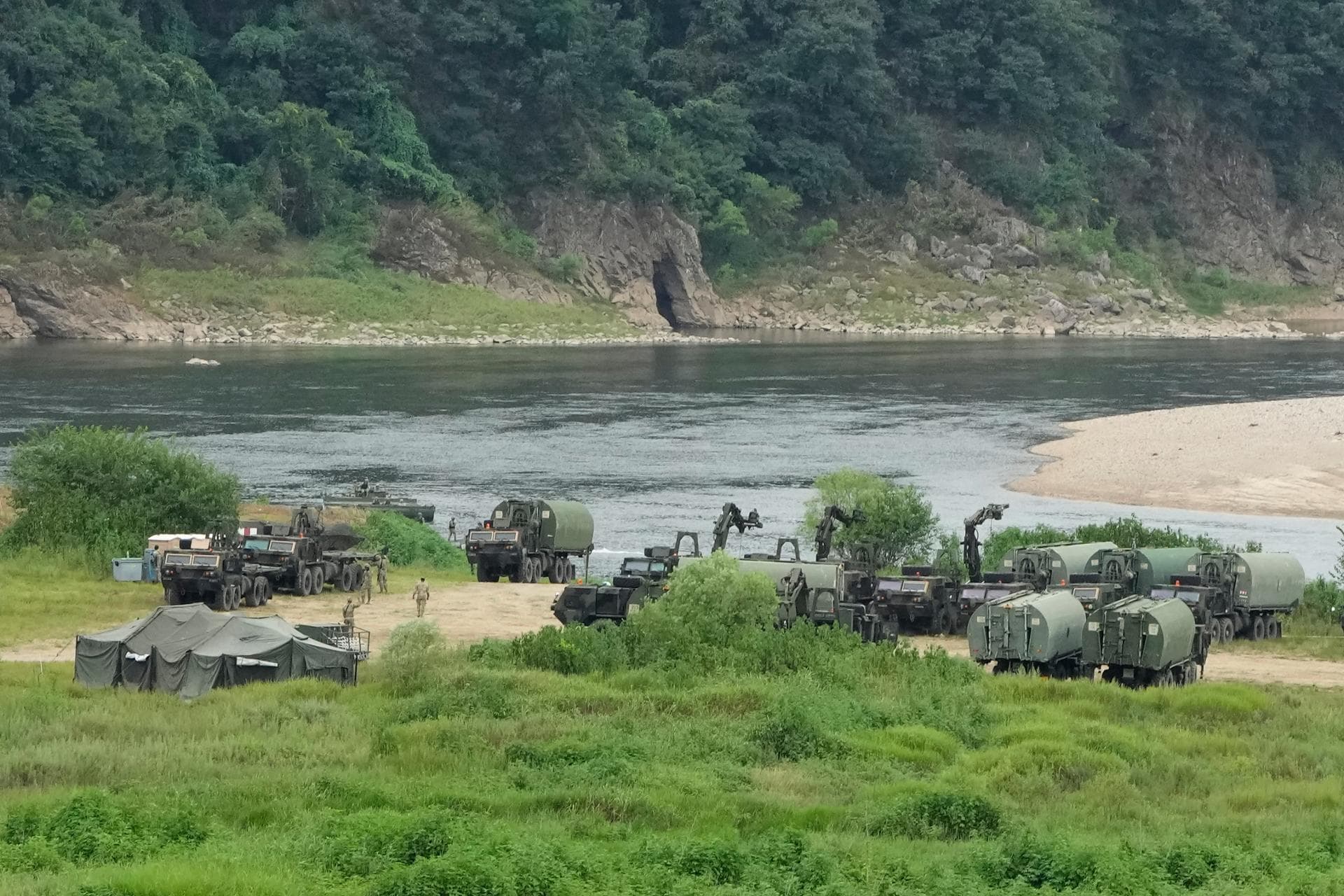
Seoul Voices Hope for US-North Korea Talks After Trump Orders Drills Scaled Back