South Korea, U.S. Foreign Ministers Pledge Closer Coordination on North Korea
Foreign Minister Cho Hyun and Secretary of State Marco Rubio agreed in a phone call to tighten coordination on North Korea policy, as the allies work through friction over military drills, Iran and trade.
Foreign Minister Cho Hyun and Secretary of State Marco Rubio agreed in a phone call to tighten coordination on North Korea policy, as the allies work through friction over military drills, Iran and trade.
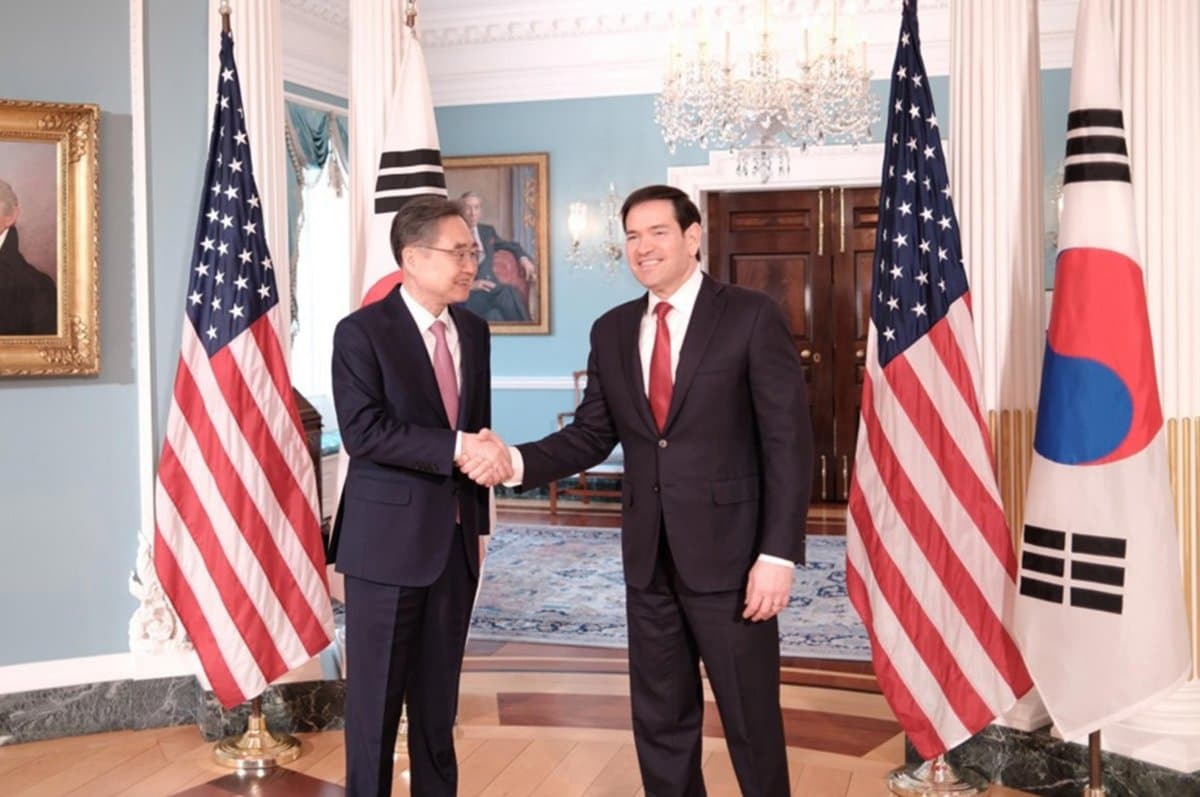
South Korean Foreign Minister Cho Hyun and U.S. Secretary of State Marco Rubio spoke by phone late Monday and agreed to keep working in lockstep on North Korea, according to Seoul's Foreign Ministry. The call came at a delicate moment for the decades-old alliance, with the two governments navigating recent disagreements over joint military exercises, the crisis in the Middle East and trade negotiations.
The ministry said the two diplomats committed to sustained communication aimed at securing peace on the Korean Peninsula and eventually resolving the nuclear standoff with Pyongyang, all while keeping the combined defense posture intact. The conversation followed President Donald Trump's surprise order last week to scale back the annual Ulchi Freedom Shield exercise, which he argued was too costly and sent an "inappropriate and hostile" signal toward the North. Cho told Rubio that Seoul intends to work to see that Trump's overture translates into a resumption of North Korea-U.S. dialogue.
Notably, Seoul's official readout of the call did not directly reference denuclearization, an omission that drew questions from reporters. Foreign Ministry spokesman Park Doo-soon clarified Tuesday that the topic did come up, insisting both governments remain committed to "peace and stability on the Korean Peninsula" and the North's denuclearization. The wording nonetheless underscored a subtle shift in Seoul's posture: President Lee Jae Myung has resisted treating denuclearization as a precondition for talks, instead favoring an incremental strategy that starts with freezing the North's weapons programs before pursuing broader tension reduction.
That approach has unsettled some in South Korea's opposition and among foreign policy analysts, who worry that Washington's direct outreach to Pyongyang could leave Seoul on the sidelines of any eventual deal — one that might not fully reflect South Korean security concerns. Trump has said he anticipates meeting North Korean leader Kim Jong Un sometime this year and has claimed the North possesses 57 "very powerful" nuclear weapons, further raising the stakes for how closely the allies align their messaging.
Spokesman Park pushed back on suggestions that South Korea's role was diminished, describing the country as both a facilitator and a stakeholder in the search for lasting peace on the peninsula. He said the two governments are coordinating "at all levels" as Seoul pushes to restart North Korea-U.S. talks.
Beyond North Korea, Cho and Rubio also touched on the deteriorating security situation in the Middle East, another point of tension after Trump last week accused Seoul of balking at requests to help protect shipping through the Strait of Hormuz amid the standoff with Iran. According to the ministry, Rubio briefed Cho on developments there, while Cho reaffirmed South Korea's intent to make a substantive contribution to restoring free passage through the strait. The two ministers additionally discussed tariffs, investment and broader security cooperation, agreeing to pursue outcomes described by Seoul as mutually beneficial, and consented to hold an in-person meeting soon. The U.S. State Department's own summary of the call was notably terser, with spokesman Tommy Pigott saying only that Rubio stressed the need for the two countries to remain in close coordination on alliance matters.
Where it matters
Related coverage

Wang Yi's Seoul Visit Leaves South Korea Diplomatically Squeezed

China's Wang Yi Courts Seoul With 'Strategic Autonomy' Pitch Amid Strains in US Alliance
As Trump Courts Kim, North Korea Raises Its Price While Seoul Fears Being Sidelined
North Korea is responding to President Trump's renewed outreach to Kim Jong Un by hardening its demands rather than shutting the door, leaving South Korea anxious it could be left out of talks that directly affect its own security.