South Korea's Lee Proposes Talks With North Korea to Formally End Korean War
President Lee Jae-myung has called for direct talks with Pyongyang to formally end the 1950-53 Korean War, as North Korea deepens ties with Russia and insists its nuclear arsenal is irreversible.
President Lee Jae-myung has called for direct talks with Pyongyang to formally end the 1950-53 Korean War, as North Korea deepens ties with Russia and insists its nuclear arsenal is irreversible.
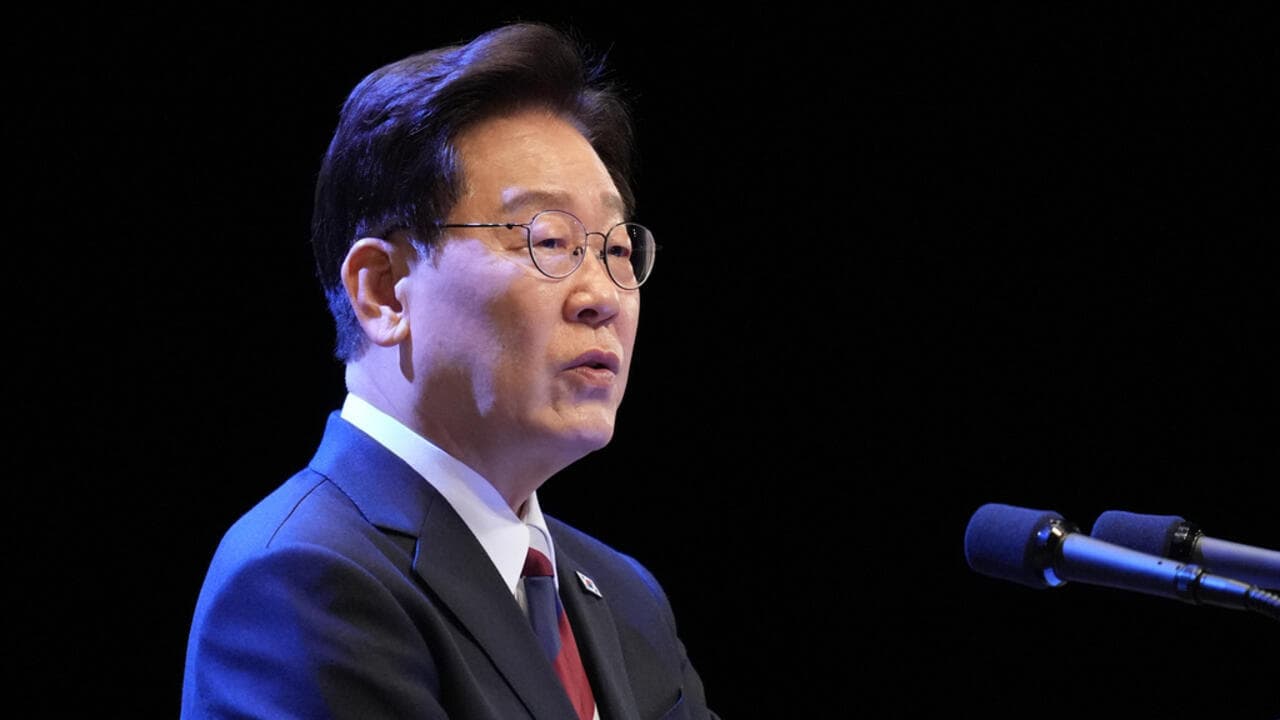
South Korean President Lee Jae-myung has proposed opening direct talks with Pyongyang aimed at formally ending the Korean War, more than seven decades after fighting stopped under an armistice rather than a peace treaty.
Lee floated the offer in a nationally televised speech marking Liberation Day, the August 15 holiday commemorating Korea's freedom from Japanese colonial rule in 1945. He suggested that any such dialogue could go beyond a symbolic declaration of peace, also serving as a venue to discuss halting North Korea's continued nuclear weapons development.
The 1950-53 Korean War ended not with a peace treaty but with an armistice agreement, leaving the two Koreas technically still at war. Past efforts by South Korean and American leaders to negotiate a formal end to the conflict have repeatedly stalled, and the peninsula remains one of the world's most militarized borders.
Lee's overture comes at a delicate moment. North Korea has been deepening its military and economic cooperation with Russia, and its leadership has repeatedly described its nuclear arsenal as an "irreversible" element of national security that will not be bargained away. Pyongyang has also recently criticized upcoming joint military exercises between South Korea and the United States, calling them provocative.
Since taking office, Lee has signaled a preference for engagement over confrontation with the North, a marked shift from his conservative predecessor's harder line. Analysts say the latest proposal is likely intended to test whether Pyongyang, emboldened by its partnership with Moscow, has any appetite for renewed dialogue with Seoul.
It remains unclear how North Korea will respond. Kim Jong Un's government has shown little public interest in resuming talks with Seoul in recent years, instead prioritizing its relationship with Russia and China while continuing to expand its missile and nuclear programs.
Analysts caution that even if talks were to begin, reconciling a peace treaty process with North Korea's insistence on retaining nuclear weapons would present a fundamental obstacle, one that has undermined similar diplomatic pushes in the past.
Where it matters
Related coverage

North Korea Blasts Upcoming US-South Korea Drills, Warns of 'New Level of Deterrent'
How Diplomacy Changed Korea's Fate — and Its Future

North Korea Fires Ballistic Missile as Seoul, Washington Prepare Joint Drills