KOSPI's Blistering Crash Raises Fears South Korea Is Becoming Uninvestable
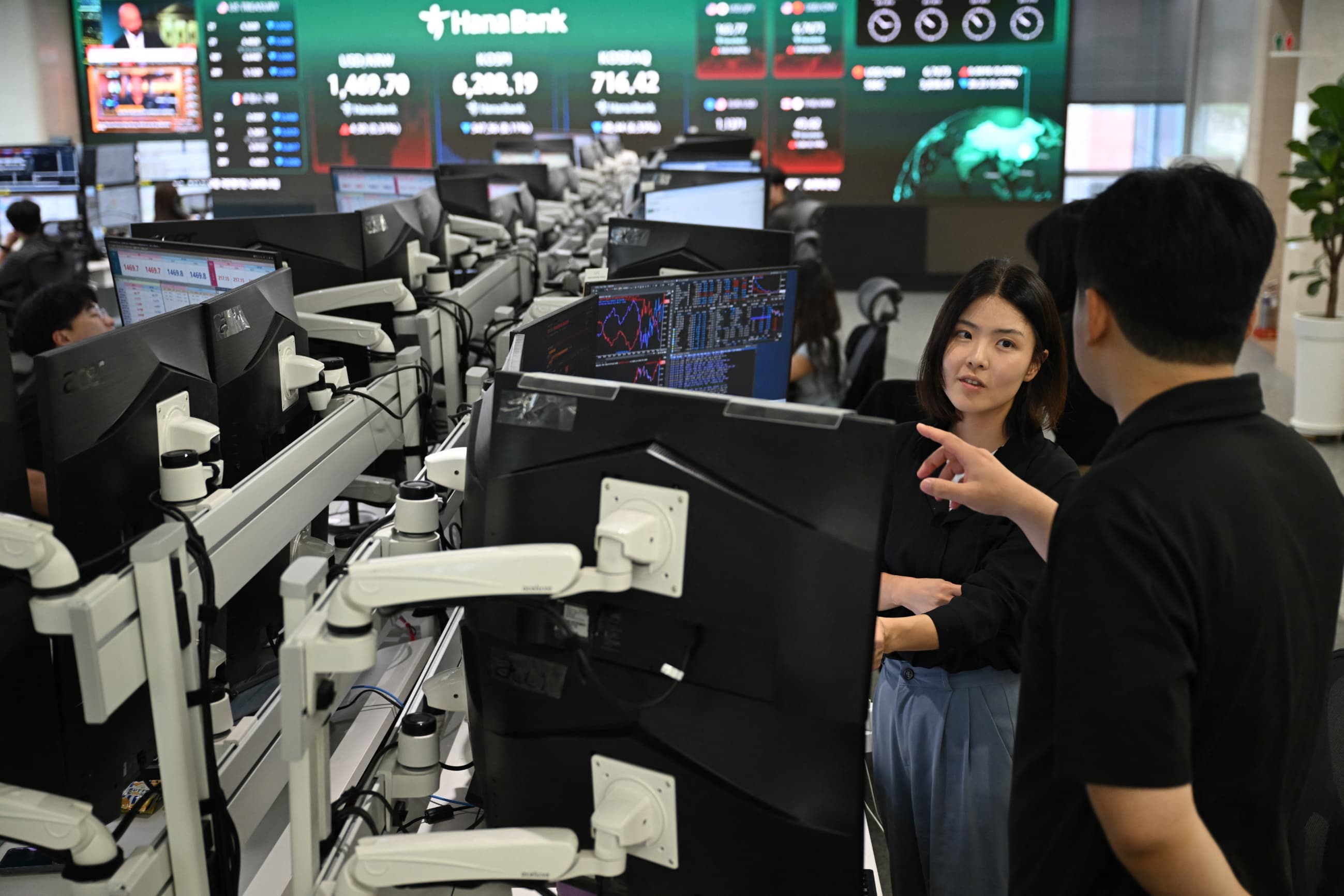
South Korea's benchmark KOSPI has plunged nearly 40% in just 27 trading days as the AI-driven rally that once lifted chipmaker stocks unravels, drawing comparisons to China's 2015 market meltdown. A Bloomberg Opinion column warns the speed of the collapse is testing whether Korean equities can still be considered a reliable investment destination.
South Korea's benchmark KOSPI has plunged nearly 40% in just 27 trading days as the AI-driven rally that once lifted chipmaker stocks unravels, drawing comparisons to China's 2015 market meltdown. A Bloomberg Opinion column warns the speed of the collapse is testing whether Korean equities can still be considered a reliable investment destination.
South Korea's stock market is unwinding at a pace that has stunned even seasoned investors. The KOSPI index has lost close to 40% of its value over just 27 trading sessions, a decline whose velocity echoes China's infamous 2015 stock market crash, according to a Bloomberg Opinion column published this week.
The selloff marks a dramatic reversal for a market that had, until recently, been riding one of its strongest rallies in years. Korean equities, led by semiconductor giants tied to the artificial intelligence boom, had surged as global investors piled into chipmakers seen as critical suppliers to the AI infrastructure buildout. That enthusiasm has now curdled into panic as AI-related stocks worldwide face a sharp and violent correction.
The speed of the drop is what unsettles analysts most. Unlike prolonged bear markets that grind lower over months, the KOSPI's plunge has compressed months of losses into a matter of weeks, leaving little time for investors to reposition. The Bloomberg Opinion piece frames the episode as a test of whether South Korea's equity market, long dogged by the so-called "Korea discount," is once again proving itself difficult for foreign capital to trust.
Semiconductor names, which had been the engine of the rally, are now also driving the retreat. Companies whose valuations swelled on expectations of insatiable AI chip demand have seen those same expectations reversed almost overnight, as global sentiment toward AI infrastructure spending cools. The whiplash underscores how concentrated the Korean market has become around a handful of tech and chip bellwethers.
The central question raised in the commentary is whether a rebound is still possible if volatility in global AI stocks eases. Some observers argue the selloff has been driven more by sentiment and momentum unwinding than by a fundamental deterioration in Korea's chip export outlook, leaving room for stabilization once the broader AI trade calms down.
Others are less optimistic, warning that the abruptness of the crash could inflict lasting damage on foreign investor confidence, echoing the kind of capital flight that followed China's 2015 crash. For now, market watchers say the coming weeks will be critical in determining whether South Korea's equity market stabilizes or slides further into a prolonged downturn.
Related companies
Where it matters
Related coverage

South Korea's July Exports Surge to Second-Highest Level on Record
South Korea's July Exports Hit $98.89 Billion as Chip Boom Fuels Trillion-Dollar Hopes — But Warnings Grow Over Semiconductor Dependence

E-Mart Opens Pre-Orders for New-Harvest Dried Chili Peppers Ahead of Kimchi Season