South Korea Chip Exports Top $40B for Second Straight Month as KOSPI Stages Record Recovery
South Korea's semiconductor exports jumped 179% year-on-year to $41.01 billion in July, marking the second consecutive month above $40 billion, even as the KOSPI endured its worst monthly drop since 1997 before staging a record one-day rebound.
South Korea's semiconductor exports jumped 179% year-on-year to $41.01 billion in July, marking the second consecutive month above $40 billion, even as the KOSPI endured its worst monthly drop since 1997 before staging a record one-day rebound.
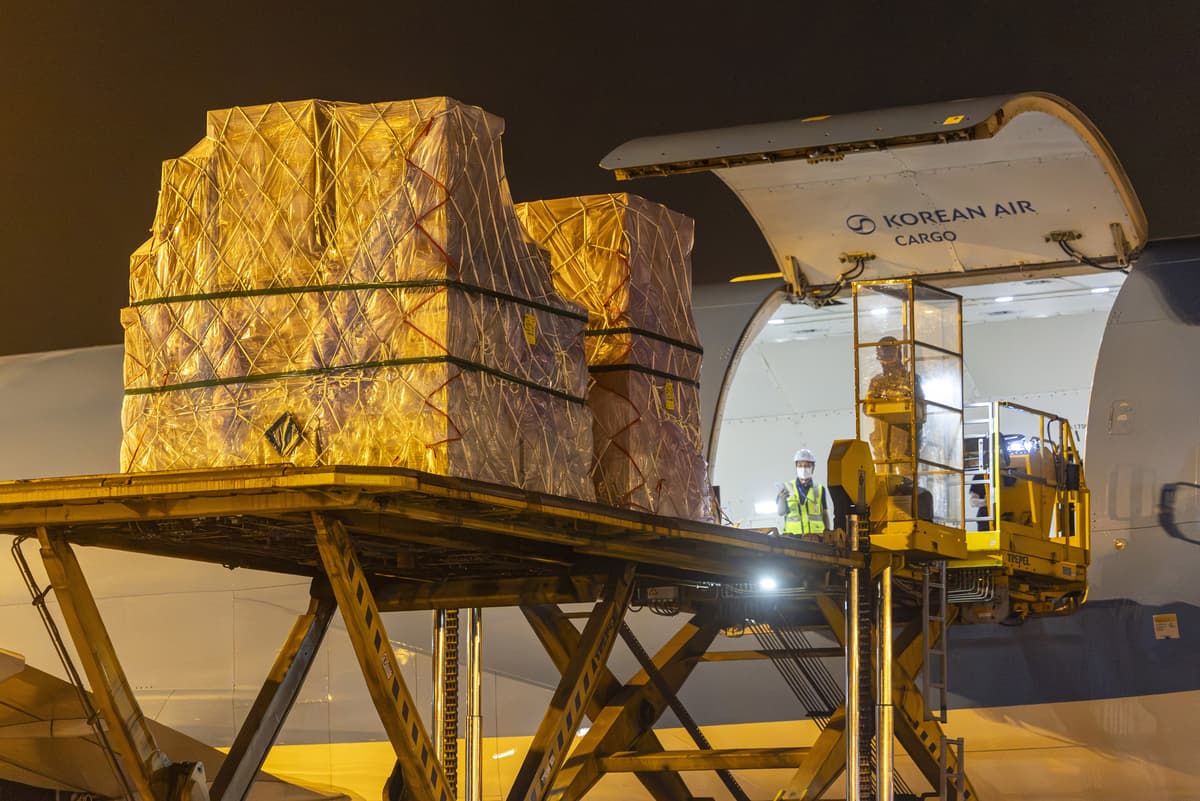
South Korea's Ministry of Trade, Industry and Energy reported Saturday that the country's total exports reached $98.89 billion in July, up 62.8% from a year earlier, with semiconductor shipments alone surging 179% to $41.01 billion. That marks the second straight month chip exports have cleared the $40 billion mark, a level trade officials say no major exporting nation has previously sustained in a single product category. Cumulative exports for 2026 through late July hit $551.2 billion, up 48.7% year-over-year, according to Korea Customs Service figures, underscoring how thoroughly the AI-driven memory boom has reshaped the country's trade profile.
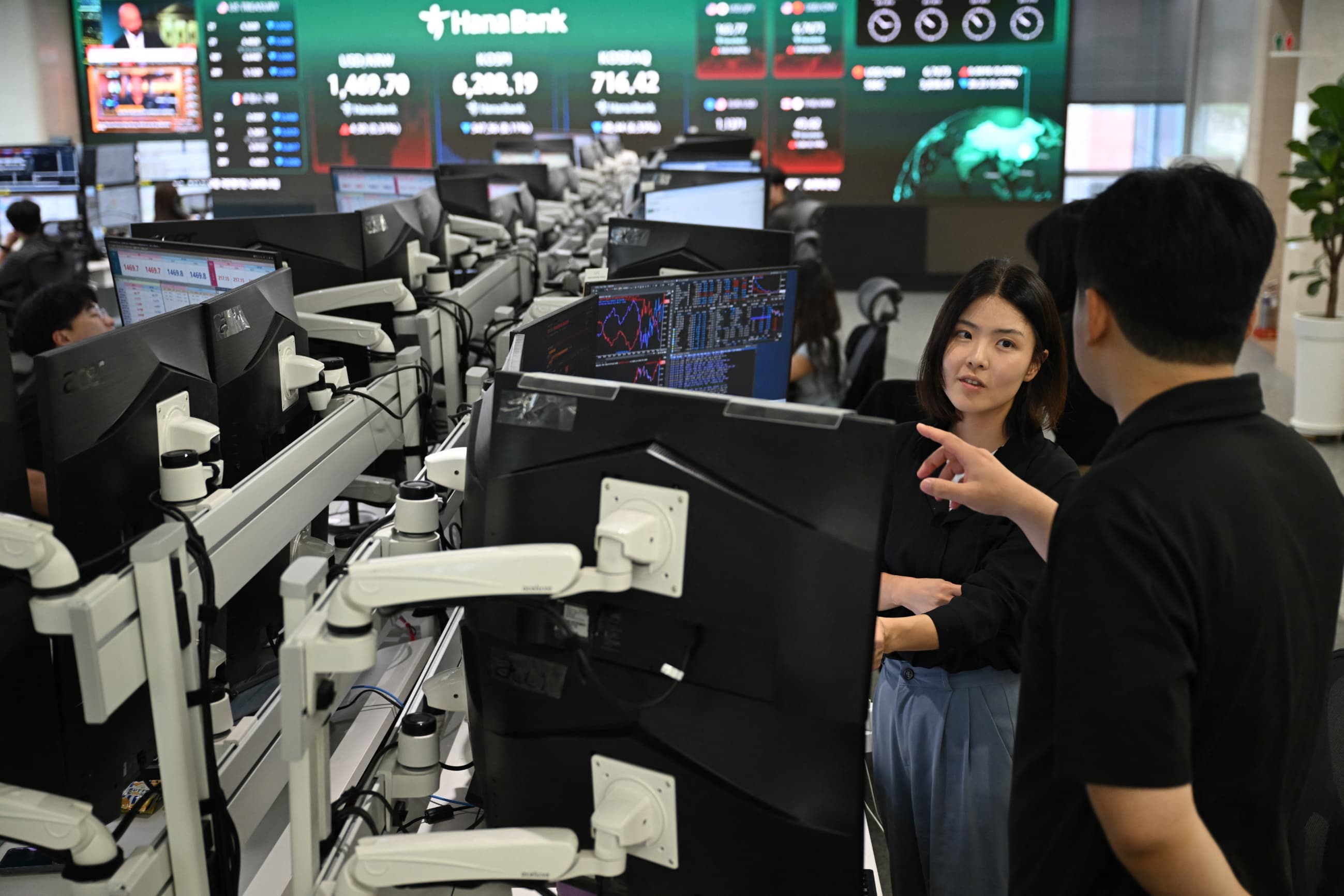
The figures arrived one day after the KOSPI staged its largest single-day gain in history, jumping nearly 18% to close above 6,595, a rebound from a month in which the index had fallen more than 22% — its steepest monthly decline since the 1997 Asian financial crisis. The selloff had been triggered by a mix of circuit breakers, an SK Hynix earnings report that beat historical records but missed elevated analyst expectations, and broader unease over whether AI infrastructure spending was being financed sustainably. The July trade data offered a direct answer from the shipping docks: physical chip exports did not slow during the turmoil, they accelerated.
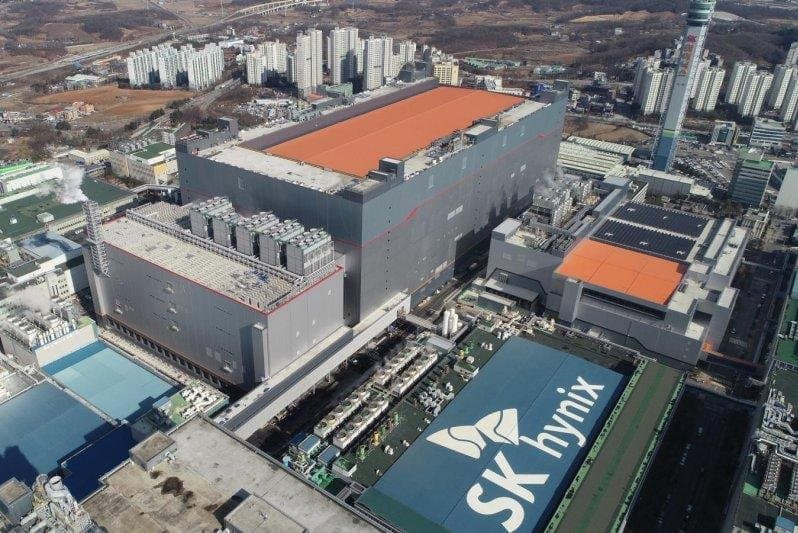
Behind the headline number sits a structural story about high-bandwidth memory, or HBM, the specialized chip technology powering AI data centers. Unlike conventional memory chips that sit flat on a circuit board, HBM stacks multiple dies vertically and connects them through microscopic copper channels, delivering dramatically higher bandwidth that AI processors from Nvidia, AMD and Google require. Because HBM production consumes far more manufacturing capacity than standard memory, Samsung and SK Hynix have been diverting wafer capacity away from commodity chips, tightening supply across the broader memory market as a side effect of meeting AI demand.
Growth was not confined to chips. Ministry data showed exports excluding semiconductors still rose 26% year-over-year, with 19 of the country's 20 major export categories posting gains; only home appliances declined, weighed down by a soft US housing market. Automobile shipments rose 7% to $6.2 billion, mobile devices climbed 51% to $1.81 billion on strong Galaxy S26 sales, and petroleum products jumped over 34% amid firmer oil prices. Industry Minister Kim Jung-kwan described the breadth of the gains as evidence the country had diversified its export base, while cautioning that protectionist pressures abroad and Middle East tensions remain risks.
Executives at both major chipmakers pushed back firmly on any suggestion that AI-related demand is cooling. An SK Hynix executive told analysts that major customers continue to request additional memory supply, and the company has locked in roughly a decade of long-term agreements with about ten key clients. Samsung, which posted a record semiconductor operating profit in the same quarter, told investors it expects supply constraints to persist through 2028. Analysts at Meritz Securities have estimated memory suppliers are currently meeting only 75-80% of demand, a shortfall they expect to widen before it narrows.
The chip boom has produced an unusual internal split even within Samsung itself: while its memory division posted record profit, the company's mobile division — which must buy the same increasingly expensive memory chips for its Galaxy smartphones — posted its first-ever quarterly operating loss. That paradox illustrates how the same forces driving South Korea's export records are simultaneously squeezing margins elsewhere in its economy, even as the overall trade engine runs at a pace few forecasters anticipated.
Related companies
Where it matters
Related coverage

Samsung, SK Hynix Shares Soar Nearly 30% in Record Single-Day Rally
Korea's July Exports Hit $98.9 Billion as Chip Sales Surge 179%

Samsung Electronics Posts Record Q2 Profit as AI Chip Demand Surges