South Korea's July Exports Hit $98.89 Billion as Chip Boom Fuels Trillion-Dollar Hopes — But Warnings Grow Over Semiconductor Dependence
South Korea posted July exports of $98.89 billion, up 62.8% from a year earlier, with semiconductors topping $40 billion for a second straight month, putting the country's $1 trillion annual export goal within reach even as economists warn the boom is dangerously concentrated in chips.
South Korea posted July exports of $98.89 billion, up 62.8% from a year earlier, with semiconductors topping $40 billion for a second straight month, putting the country's $1 trillion annual export goal within reach even as economists warn the boom is dangerously concentrated in chips.
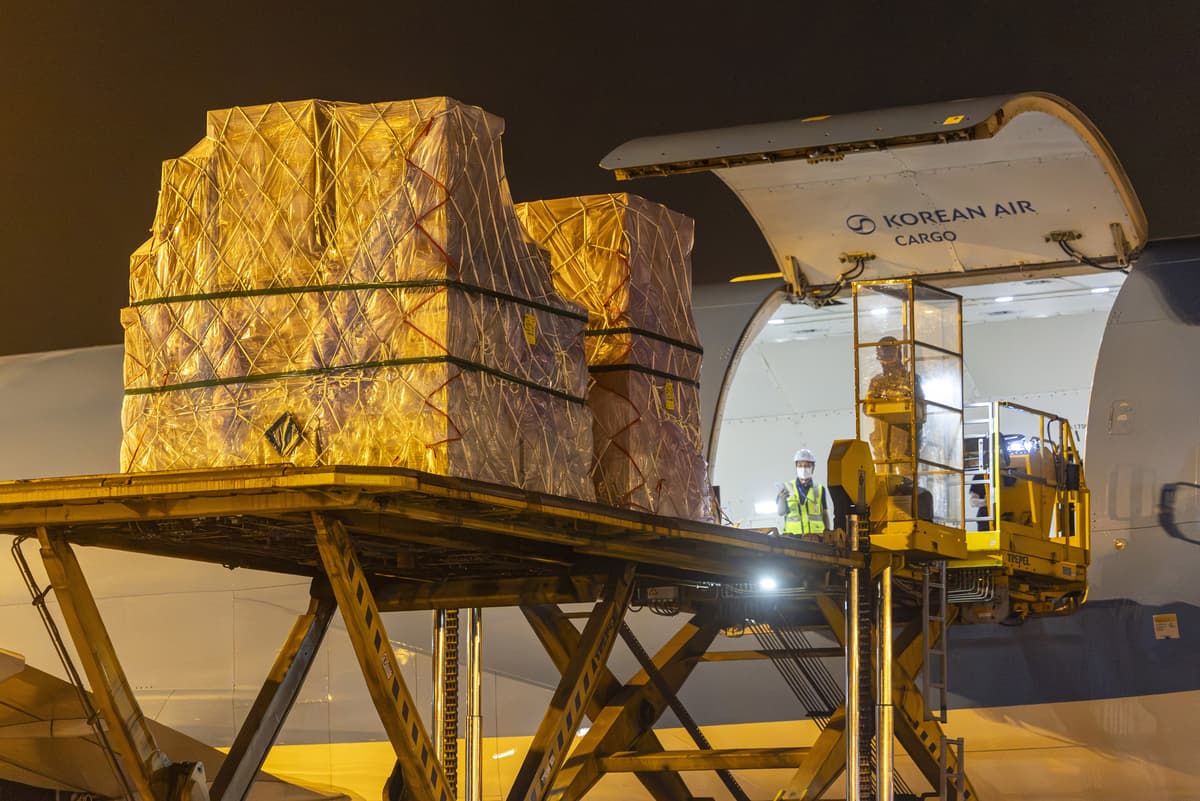
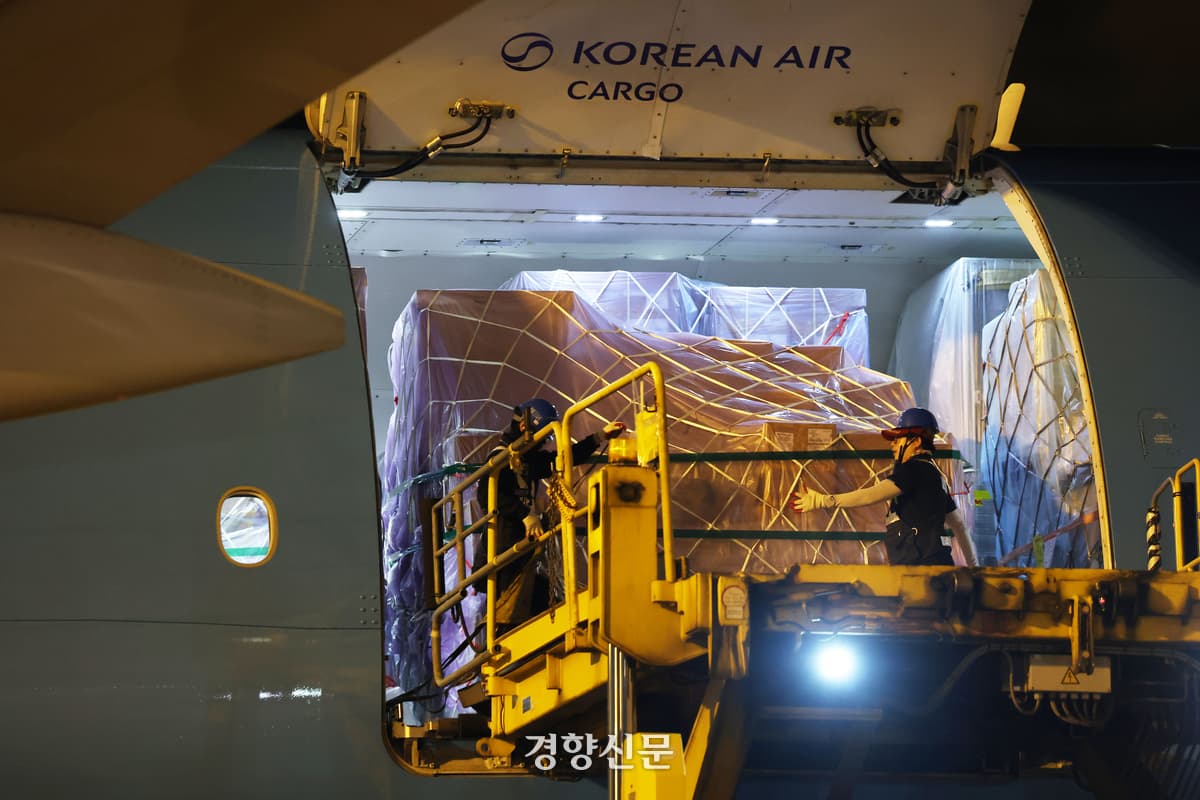
South Korea's exports climbed to $98.89 billion in July, a 62.8% jump from the same month last year, according to figures released by the Ministry of Trade, Industry and Energy. It was the second-best monthly total on record, trailing only June's $102.25 billion, and it has revived talk that the country could rejoin the trillion-dollar export club by year's end.
Semiconductors once again did the heavy lifting. Chip exports reached $41.01 billion in July, the second consecutive month above $40 billion after June's record $44.82 billion. With cumulative exports for January through July at $595.2 billion, officials say shipping roughly $404 billion over the remaining five months would be enough to cross the $1 trillion threshold for the year. Kang Gam-chan, the ministry's director-general for trade and investment, noted that exports typically run stronger in the second half and pointed to rising chip prices and tight supply as reasons for optimism.
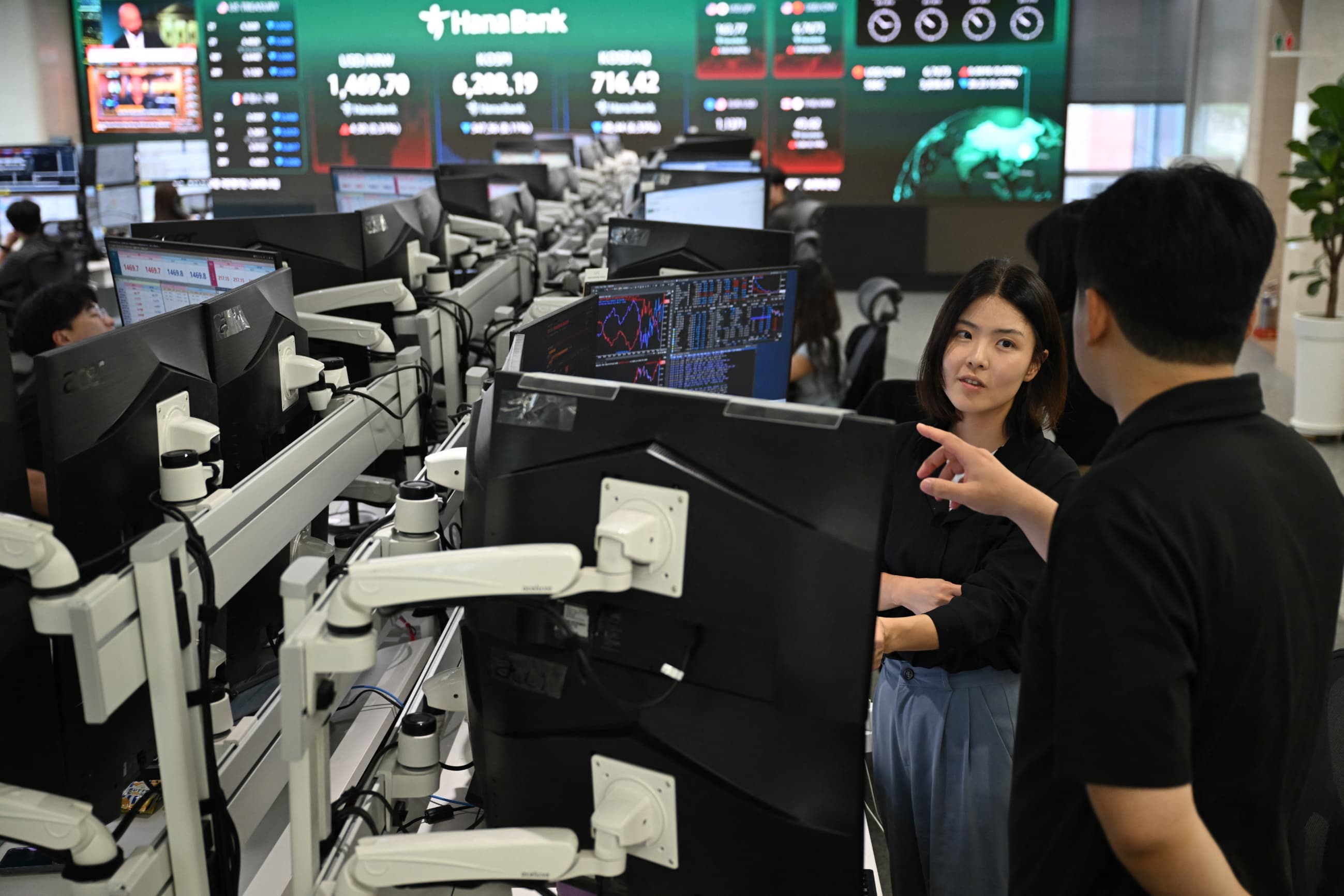
Yet the very engine driving the recovery is stoking unease. Semiconductors made up 41.5% of total exports in July, following shares of 42.3% in May and 43.8% in June — a stark contrast to just 24.2% a year earlier. Economists warn that such heavy reliance on a single sector leaves the broader export structure vulnerable if the current memory chip boom, powered largely by U.S. tech giants racing to build AI data centers, were to cool.
Yang Jun-seok, an economics professor at the Catholic University of Korea, said Korean export performance could swing sharply depending on how long American companies keep pouring money into AI infrastructure, comparing the risk to the recent volatility in Samsung Electronics and SK Hynix share prices. He also cautioned that an outsized focus on chips could crowd out investment in other manufacturing sectors such as steel and petrochemicals.
Two external risks add to the uncertainty. Tariffs under the Trump administration remain a wildcard: semiconductors have so far stayed exempt under last year's Korea-U.S. trade agreement, but trade officials have not ruled out that duties could later be extended to chips, equipment or related products such as SSDs. Separately, China's drive for chip self-sufficiency is accelerating — the Korea Institute for Industrial Economics & Trade projects Chinese-made 12-inch wafers will account for 32% of global output this year, up from just 3% in 2020. Ironically, Korea's chip exports to China surged 251.7% in July to $11.56 billion, even as industry insiders privately question how long Beijing will keep needing Korean memory.
Researchers argue Korea needs to diversify beyond its chip dependence by strengthening traditional manufacturing, including proposals to build data-driven, Korean-style industrial AI models drawing on decades of expertise in steel, shipbuilding and petrochemicals to boost competitiveness in materials and components.
Related companies
Where it matters
Related coverage

E-Mart Opens Pre-Orders for New-Harvest Dried Chili Peppers Ahead of Kimchi Season
South Korea Chip Exports Top $40B for Second Straight Month as KOSPI Stages Record Recovery

Samsung, SK Hynix Shares Soar Nearly 30% in Record Single-Day Rally