South Korea, US Line Up High-Level Talks as Hormuz, Investment Issues Converge
Seoul and Washington are preparing a wave of diplomatic and defense consultations this week, including a possible Cho Hyun-Marco Rubio meeting and a Busan defense dialogue, as the allies weigh a Korean role near the Strait of Hormuz and finalize early projects under Seoul's $350 billion US investment pledge.
Seoul and Washington are preparing a wave of diplomatic and defense consultations this week, including a possible Cho Hyun-Marco Rubio meeting and a Busan defense dialogue, as the allies weigh a Korean role near the Strait of Hormuz and finalize early projects under Seoul's $350 billion US investment pledge.
South Korea and the United States are gearing up for a dense week of high-level diplomacy and defense talks, as the two allies try to reconcile a cluster of sensitive issues ranging from a possible Korean military role in the Strait of Hormuz to the rollout of Seoul's massive US investment package.
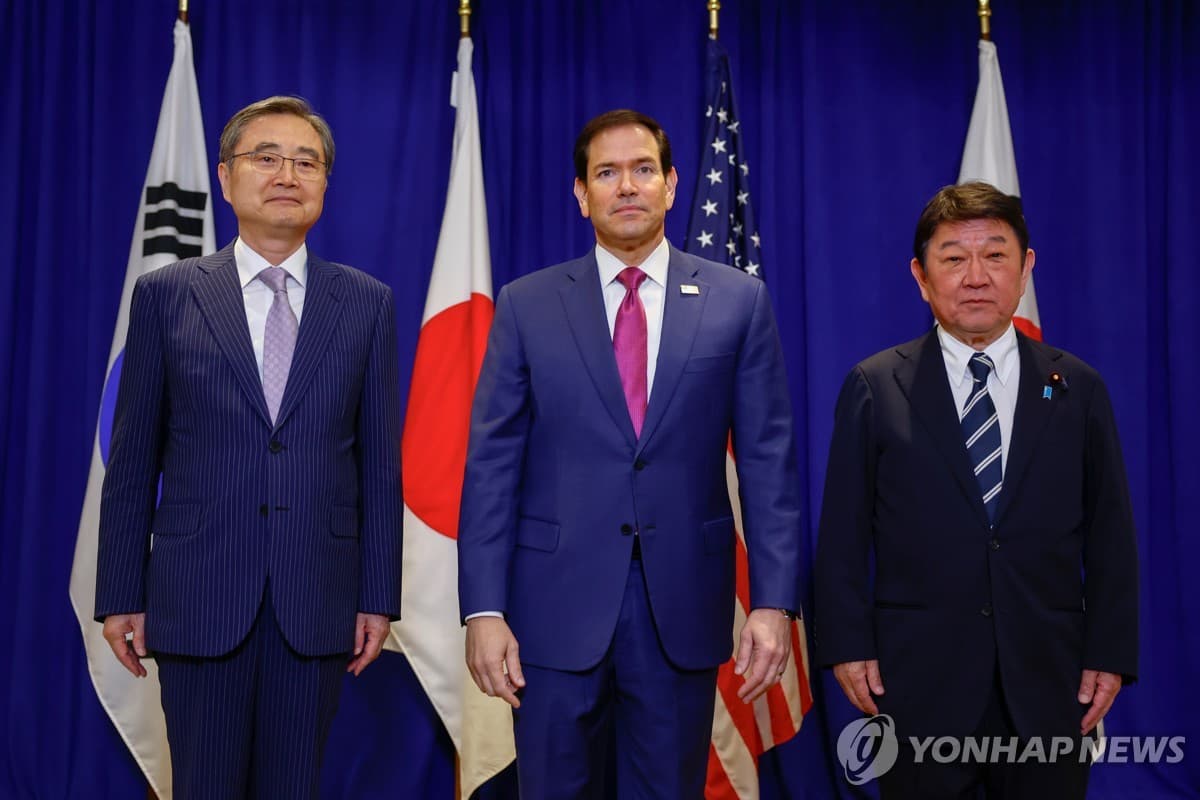
Foreign Minister Cho Hyun and US Secretary of State Marco Rubio are working out schedules for a meeting that could happen as early as this week, ahead of the United Nations General Assembly opening in New York on Sept. 22. Speaking at a National Assembly interpellation session, Cho said a session with Rubio was being arranged within the month and dismissed suggestions that recent friction had weakened the partnership, describing the alliance as "fundamentally strong" and saying differences could be ironed out through consultation.
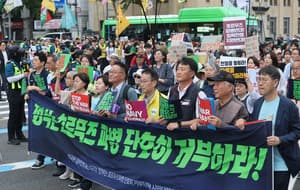
At the center of the diplomatic agenda is Washington's request for Seoul to consider contributing forces near the Strait of Hormuz. South Korea recently sent a joint team of foreign affairs and defense officials to the United Arab Emirates to study logistics, port access and potential basing options in the region. The delegation returned home last week, and its assessment is expected to be presented to the National Security Council. The Defense Ministry has repeatedly cautioned that the trip was purely exploratory and that no decision on deployment has been made, even as the idea draws pushback from some ruling-party lawmakers and civic and religious groups, which have staged street rallies in Seoul opposing any troop dispatch.
The diplomatic push overlaps with progress on economic commitments. Seoul and Washington are said to be closing in on terms for the first projects under South Korea's pledged $350 billion in US investment, with an announcement possibly landing around Sept. 18. Industry Minister Kim Jung-kwan returned home over the weekend after talks in New York with US Commerce Secretary Howard Lutnick on the scope and structure of the package. A 6.3-gigawatt gas-fired power plant in Encinal, Texas, has surfaced as a leading candidate for an early project, though officials caution the details are still being worked out. Diplomats on both sides suggest that momentum on the investment file could unlock movement on other long-stalled requests, including Seoul's ambition to build nuclear-powered submarines and update the bilateral civil nuclear agreement.
On the defense side, officials from both countries are expected to hold the Korea-US Integrated Defense Dialogue in Busan later this week, a regular assistant secretary-level channel for reviewing the allies' combined defense posture. Agenda items are expected to include Seoul's hesitation over the Hormuz request as well as the long-running debate over transferring wartime operational control, or OPCON, of South Korean forces, which Seoul wants scheduled with a firm target year at November's Security Consultative Meeting. Washington is also likely to update Seoul on the fallout from President Donald Trump's move to scale back joint military exercises between the two forces.
Shipbuilding cooperation could also feature prominently if the dialogue proceeds in Busan, as Seoul pushes to deepen ties with Washington under the "Make American Shipbuilding Great Again" initiative. The US Defense Department and Navy have reportedly reached out to HD Hyundai Heavy Industries, Hanwha Ocean and Samsung Heavy Industries with requests for information on combat vessels and replenishment ships, following a visit last month by members of a US House Appropriations subcommittee to the three companies' shipyards.
Related companies
Where it matters
Related coverage
Lee Embarks on Diplomatic Trip to the U.S. and Mexico
Unification Minister Calls for Renewed Dialogue with North Korea
3 Military Officers Injured in Suspected Landmine Explosion at DMZ