Samsung Biologics Says 3 Trillion Won Rights Offering Beats Borrowing for Growth Plans
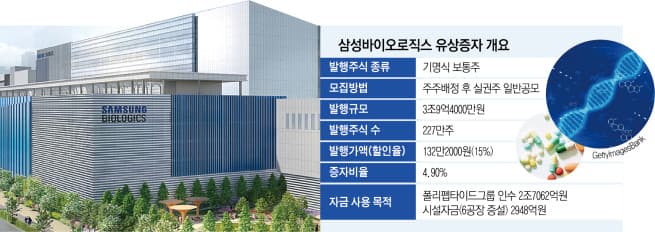
Samsung Biologics told retail investors its roughly 3 trillion won rights offering was the most efficient way to fund the Polypeptide Group acquisition and future expansion, arguing debt would strain its balance sheet as it pursues 15.4 trillion won in investments through 2034.
Samsung Biologics told retail investors its roughly 3 trillion won rights offering was the most efficient way to fund the Polypeptide Group acquisition and future expansion, arguing debt would strain its balance sheet as it pursues 15.4 trillion won in investments through 2034.
Samsung Biologics used an online briefing for retail shareholders on September 3 to defend its decision to raise roughly 3 trillion won ($2.2 billion) through a rights offering, telling investors the move was a deliberate financing choice rather than a sign of financial strain.
Deputy CEO Yoo Seung-ho told shareholders the offering was designed to let the company "proceed with planned investments without disruption," describing it as preparation for flexibility amid rapid shifts in the contract development and manufacturing industry.
According to the company, about 2.7 trillion won of the proceeds will go toward the acquisition of Swiss-based peptide CDMO specialist Polypeptide Group, announced in July, while the remaining roughly 295 billion won will fund construction of a second bio campus facility in Songdo, Incheon.
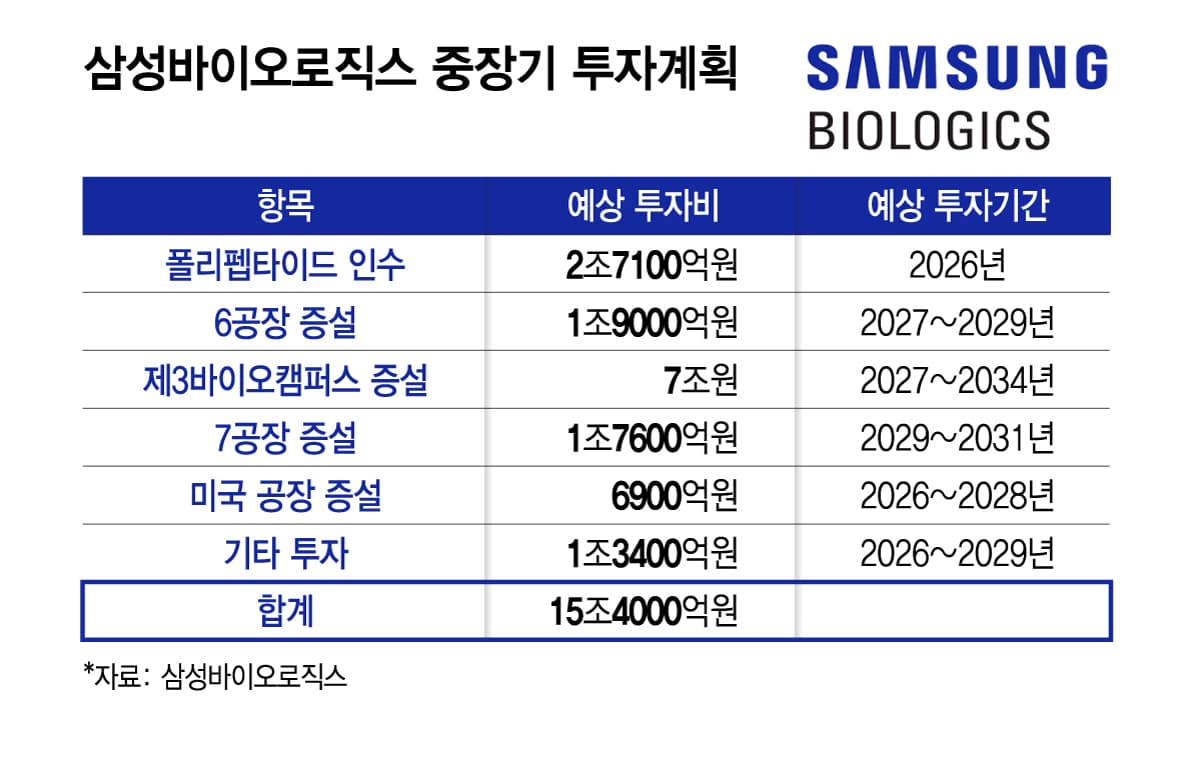
The capital raise is only part of a much larger spending program. Samsung Biologics has mapped out mid-to-long-term investments totaling 15.4 trillion won through 2034, covering the Polypeptide deal, expansions of Plants 6 and 7, construction of a third bio campus, and an enlarged U.S. production footprint. The company's cash on hand stood at roughly 2.2 trillion won at the end of the first half, well short of what the full investment plan requires.
Yoo said the company had weighed borrowing and corporate bonds but concluded equity was the better fit given the nature of CDMO investment, which requires heavy upfront spending before returns materialize. He noted that relying on debt could have pushed the debt ratio from the 50% range to as high as 80%, whereas the rights offering preserves financial stability while distributing the cost among common shareholders.
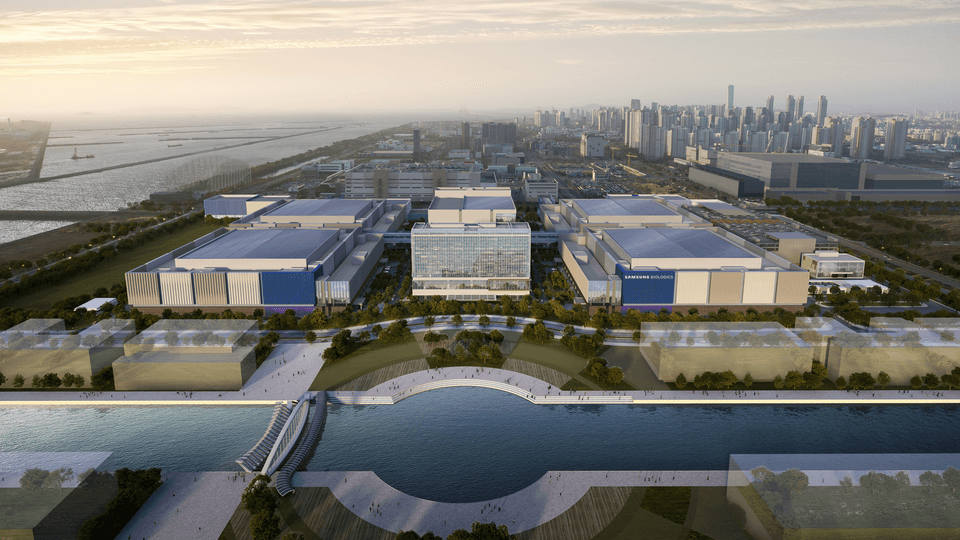
The executive also outlined a "three-axis expansion" strategy spanning capacity, portfolio and geography. In Songdo, plants six through eight will be built in phases, eventually lifting global antibody drug capacity to 1.385 million liters. The Polypeptide acquisition, meanwhile, extends the company's portfolio beyond antibodies into peptides, mRNA and antibody-drug conjugates, positioning Samsung Biologics to serve clients in the fast-growing GLP-1 obesity drug market with combined antibody-and-peptide services.
On further deals, Yoo said the company continues to review strategic acquisitions and overseas sites but has no additional rights offering planned for now, with near-term priority given to closing the Polypeptide transaction and integrating the business.
Related companies
Where it matters
Related coverage
Samsung Biologics Defends 3.9 Trillion Won Rights Offering as Key to Long-Term Growth Plan
Samsung Biologics' 3 Trillion Won Rights Offering Faces Test at Financial Watchdog
Samsung Biologics Lands Record $1.24 Billion Deal With Asia-Based Drugmaker