Nvidia and SK Group Forge $500 Billion AI Partnership to Build Massive Data Centers and Next-Gen Memory Supply
Nvidia and SK Group have signed letters of intent for a strategic partnership worth more than $500 billion, combining a long-term SK hynix memory supply deal with SK Telecom's plan to build a 2-gigawatt AI data center powered by Nvidia's next-generation systems.
Nvidia and SK Group have signed letters of intent for a strategic partnership worth more than $500 billion, combining a long-term SK hynix memory supply deal with SK Telecom's plan to build a 2-gigawatt AI data center powered by Nvidia's next-generation systems.
Nvidia and South Korea's SK Group have signed letters of intent formalizing a sweeping strategic partnership valued at more than $500 billion, marking one of the largest AI infrastructure commitments involving a Korean conglomerate to date. The agreement brings together two previously separate threads: a long-term memory supply and co-development deal with SK hynix first outlined in June, and a newly detailed plan by SK Telecom to build a massive AI data center on Korean soil.
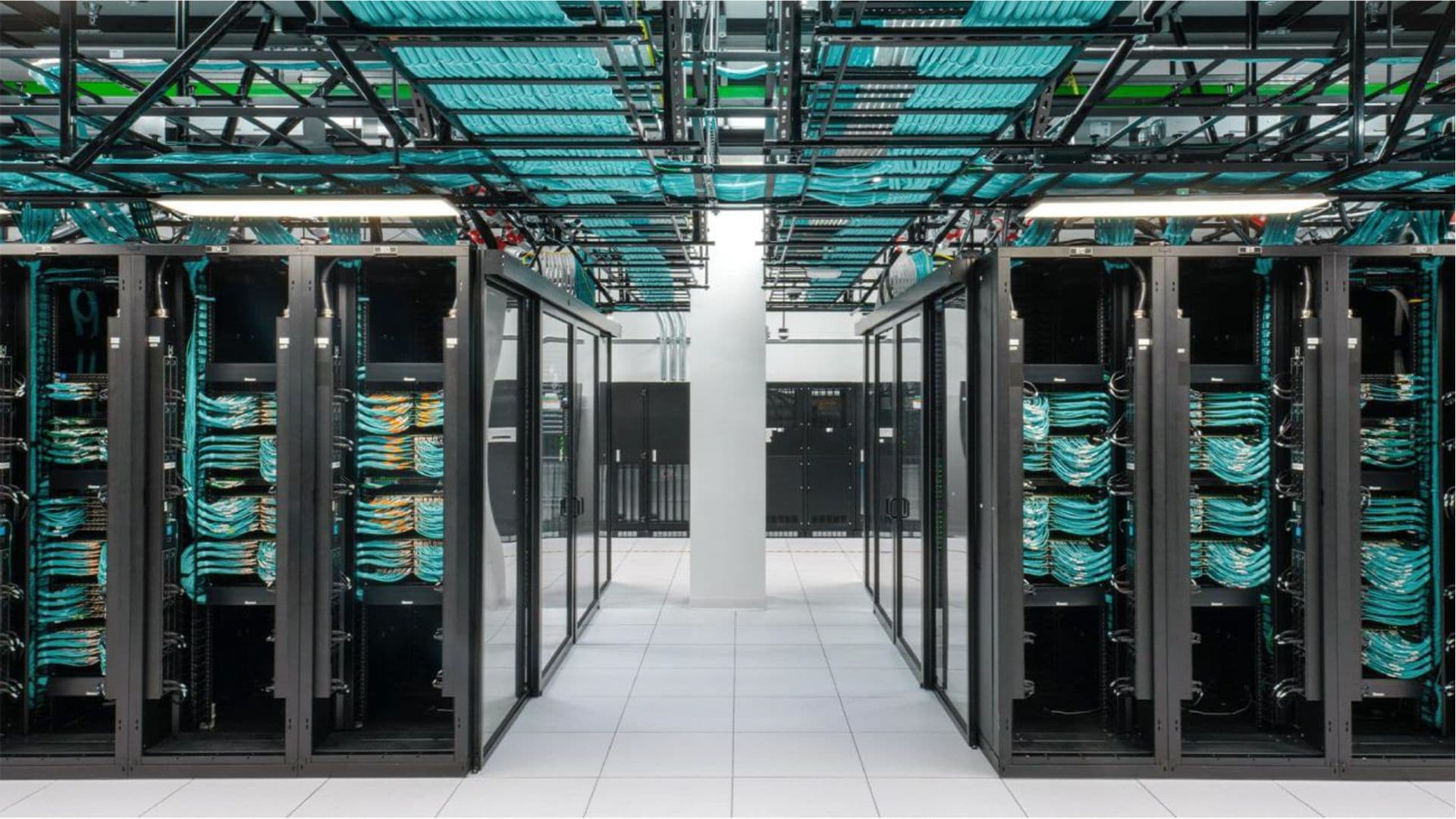
At the heart of the announcement is SK Telecom's plan to construct a 2-gigawatt AI data center using Nvidia's DSX AI factory platform, a full-stack blueprint that pairs Nvidia's accelerated computing hardware, networking gear and software with partner technologies to maximize energy efficiency and lower the cost of generating AI tokens. The facility will run on Nvidia's upcoming Vera Rubin systems paired with SK hynix's HBM4 high-bandwidth memory, and it is scheduled to begin operations in 2027.
The companies say the infrastructure will support a wide range of AI workloads, including sovereign AI systems for the South Korean government, enterprise AI tools for businesses, physical AI applications such as robotics and autonomous systems, and agentic AI that can act independently to complete tasks. The stated goal is to position South Korea, and the broader Asia-Pacific region, as a hub for next-generation AI computing.
While the $500 billion headline figure has drawn attention, neither company has broken down exactly how the sum is composed. Industry analysts note that the total likely bundles together several revenue streams over multiple years: SK Telecom's purchases of Nvidia GPUs and networking equipment for its data centers, SK hynix's memory shipments to Nvidia under the long-term supply agreement, and revenue flowing to Nvidia's broader ecosystem of partners that build out DSX-based facilities, including server makers, cooling and power specialists. Analysts also flagged that the number could reflect potential future expansions beyond the initial 2-gigawatt buildout, making it more a projection of years of combined commercial activity than a single upfront payment.
The partnership arrives as global demand for high-bandwidth memory used in AI accelerators continues to strain supply chains, with both SK hynix and rival Samsung previously warning that shortages of HBM could persist through 2027 and beyond. It also follows a broader wave of Korean government and corporate investment in AI infrastructure, including an earlier $520 billion memory chip investment plan involving Samsung and SK hynix, as Seoul seeks to cement its position as a critical link in the global AI supply chain.
For SK Telecom, the deal represents a major step beyond its traditional telecommunications business into large-scale AI infrastructure operation, aligning the company with Nvidia's roadmap for future GPU architectures. Neither company has disclosed the exact number of GPU racks or specific configuration details for the 2-gigawatt facility, but industry estimates suggest such a deployment could involve thousands of Nvidia's NVL72-class server racks and hundreds of thousands of next-generation Vera CPUs and Rubin AI accelerators once built out.
Related companies
Where it matters
Related coverage
SK hynix Profit Jumps 1,242% on AI Chip Boom, but Shares Slide on Growth Worries

SK Group Chairman Buys SK hynix Shares for the First Time
Samsung Life Insurance Shares Plunge 6.84% to 265,500 Won Amid Market-Wide Sell-off
