Samsung Electronics Posts Record Q2 Profit as AI Chip Demand Surges
Samsung Electronics reported a record 89.5 trillion won operating profit for the second quarter of 2026, topping analyst forecasts on booming AI server chip orders and record memory sales, even as its mobile division slipped into the red.
Samsung Electronics reported a record 89.5 trillion won operating profit for the second quarter of 2026, topping analyst forecasts on booming AI server chip orders and record memory sales, even as its mobile division slipped into the red.
Samsung Electronics posted its strongest quarterly performance on record, reporting an operating profit of 89.5 trillion won for the second quarter of 2026, comfortably ahead of the 88.13 trillion won analysts had expected. Revenue for the period came in at 171.5 trillion won, the South Korean tech giant said, as a wave of demand for artificial intelligence infrastructure lifted its chip business to new heights.
The blowout result was powered largely by the semiconductor division, where sales of chips used in AI servers climbed sharply alongside record shipments of both DRAM and NAND flash memory. Data center operators and AI developers worldwide have been racing to secure high-performance memory, and Samsung appears to be capturing an outsized share of that demand after years of playing catch-up to rival SK Hynix in advanced memory products.
Underscoring its push to close that gap, Samsung confirmed it has shipped the industry's first samples of HBM4E, a next-generation high-bandwidth memory chip, to major customers. HBM chips are a critical component in AI accelerators made by companies such as Nvidia, and being first to market with a new generation carries significant competitive weight in a segment where certification cycles with customers can take months.
To keep pace with orders, Samsung said it is ramping up capital spending on memory production and expanding a new fabrication plant in Pyeongtaek, south of Seoul, which has become the company's flagship site for advanced chip manufacturing. The additional capacity is expected to support both conventional memory output and the more complex production processes required for HBM.
Not every part of the business shared in the good news. Samsung's mobile and networks division, which includes its smartphone and telecom equipment operations, swung to an operating loss for the quarter, a reminder that the earnings strength was concentrated almost entirely in semiconductors rather than across the group as a whole.
The results are likely to reinforce investor confidence that the AI-driven memory upcycle still has room to run, with Samsung signaling further investment rather than pulling back even after a record quarter. Attention now turns to how quickly HBM4E can move from sample shipments to volume production, and whether the mobile unit can stabilize in the coming quarters.
Related companies
Where it matters
Related coverage
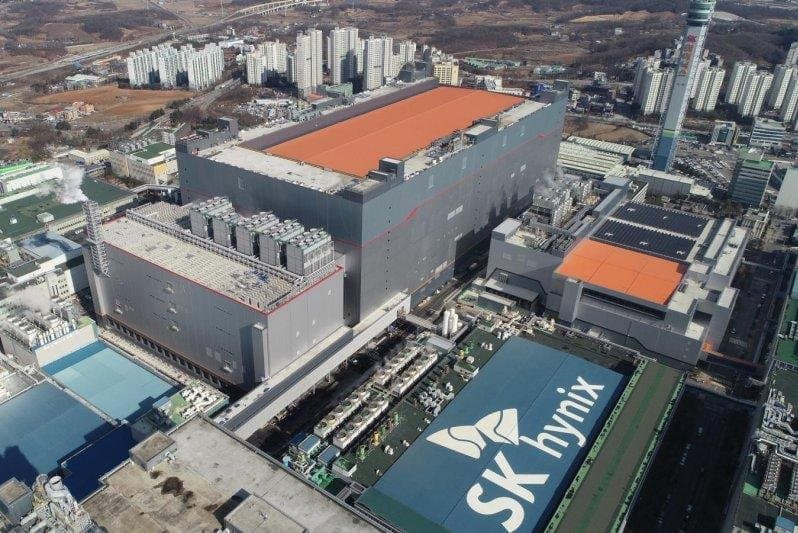
SK Hynix Shares Plummet Despite Record Second-Quarter Earnings
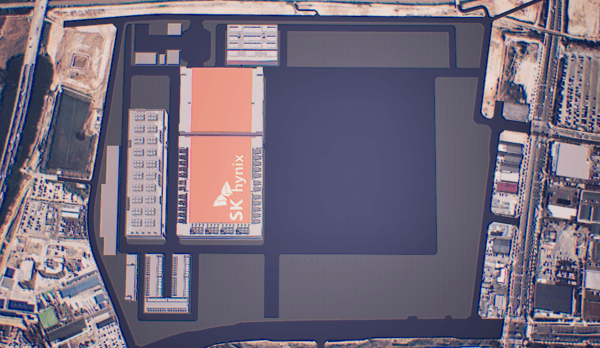
SK Hynix Secures Five-Year Chip Demand With Long-Term Deals Across Big Tech
SK hynix Profit Jumps 1,242% on AI Chip Boom, but Shares Slide on Growth Worries