AI Chip Boom Forces Bank of Korea to End Rate-Cut Era, Hike to 2.75%
South Korea's central bank raised its policy rate for the first time in three and a half years as record semiconductor exports pushed inflation above 3%, with Governor Shin Hyun-song warning of more hikes to come.
South Korea's central bank raised its policy rate for the first time in three and a half years as record semiconductor exports pushed inflation above 3%, with Governor Shin Hyun-song warning of more hikes to come.
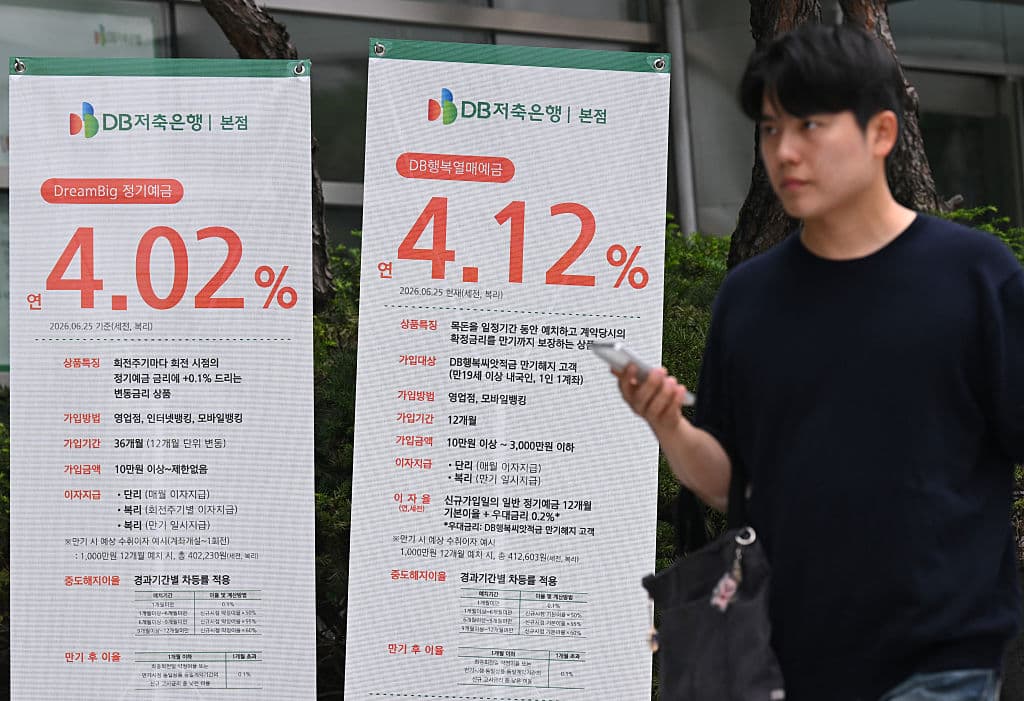
South Korea's central bank has broken a 14-month streak of holding interest rates steady, raising its benchmark seven-day repurchase rate by a quarter point to 2.75% in a unanimous decision by the Bank of Korea's Monetary Policy Board. It is the first increase in three and a half years, and Governor Shin Hyun-song left no ambiguity about what comes next, describing the move as the opening of a new tightening cycle rather than a one-off adjustment.
What makes this rate hike unusual is its cause. Rather than responding to runaway credit or fiscal spending, the BOK is reacting to an economy running hot on the back of an extraordinary export boom. South Korean consumer prices climbed 3.2% year-on-year in June, following a 3.1% rise in May, both comfortably above the bank's 2% target. Behind those numbers sits a historic surge in semiconductor sales driven by global demand for artificial intelligence hardware, alongside elevated oil prices and a persistently weak won.
South Korea's chipmakers, led by Samsung Electronics and SK Hynix, dominate global production of high-bandwidth memory, the specialized chip technology that feeds data to AI processors at the speed modern systems require. That dominance has translated into a historic trade windfall: the country's monthly exports broke through $100 billion for the first time ever in June, with semiconductor shipments nearly tripling from a year earlier. The income flowing from those sales has lifted household spending power and property demand, adding fuel to inflation even as it powers headline growth.
The side effects of that success are now showing up in household budgets. Bank of Korea figures suggest the rate increase alone will add roughly 1.8 trillion won, or about $1.3 billion, to the country's collective annual mortgage interest bill, with the average borrower paying around 300,000 won more per year. The impact will land hardest on the large share of recent borrowers who took out floating-rate loans, expecting rates to stay low.
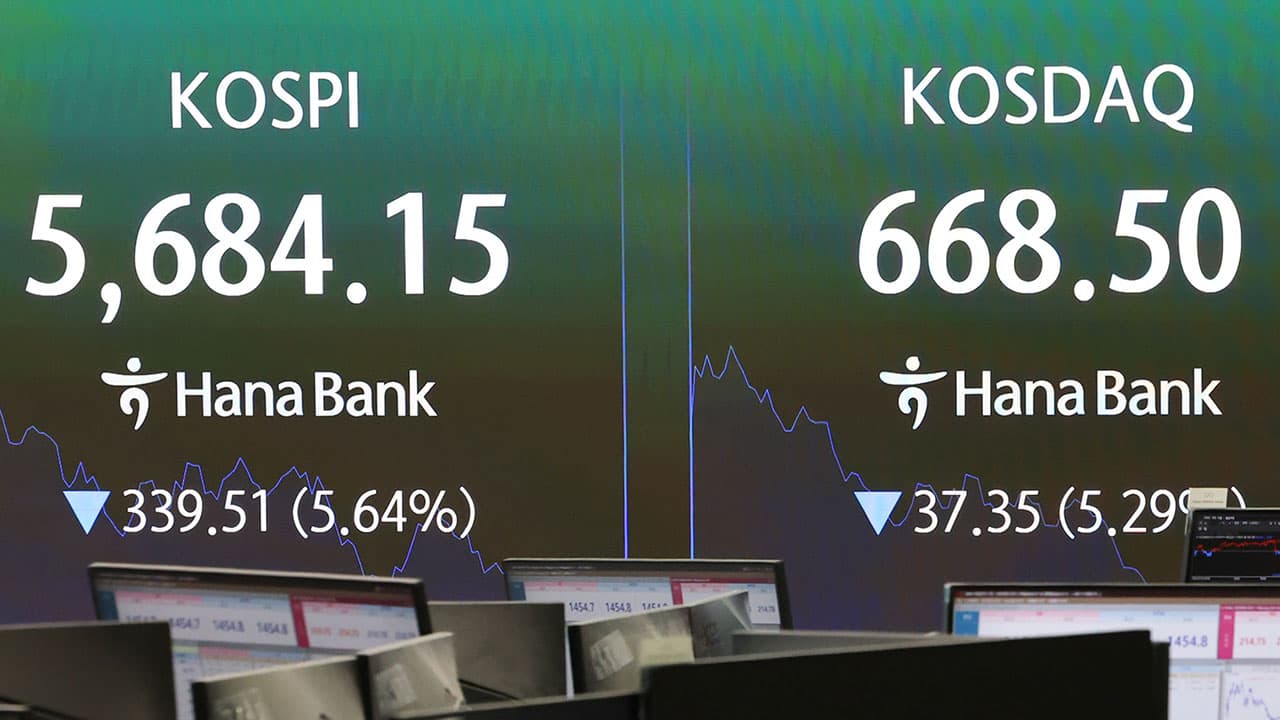
Markets are already positioning for further moves. Analysts at Korea Investment and Securities and Hana Securities both expect another hike at the Bank of Korea's next meeting on August 27, with several projecting the tightening cycle could ultimately push the policy rate to a range of 3.25% to 3.50%. Shin has indicated the central bank's own growth forecasts, already revised upward this year, may need to rise again given the strength of the chip-driven expansion.
The decision underscores an unusual bind facing Korean policymakers. Samsung Electronics and SK Hynix are pouring huge sums into new fabrication capacity to meet AI-driven demand, investments that become more expensive to finance as rates climb. Shin acknowledged the tension directly, suggesting that if elevated chip prices persist, the tightening cycle could run longer than markets currently expect — a reminder that Korea's biggest economic asset and its newest inflation headache are, for now, the very same industry.
Related companies
Where it matters
Related coverage

SK Hynix Shares Slide Despite Record Profit as AI Chip Demand Fails to Meet Sky-High Expectations
KOSPI, KOSDAQ Trigger Sell-Side Sidecar for Second Time This Week Amid Sharp Reversal

Will the Bank of Korea Raise Rates Again in August After Its July Hike?
AI Chip Boom Puts SK Hynix, Samsung and Kioxia Earnings in the Spotlight
SK Hynix and Samsung Electronics are preparing to report earnings that will gauge investor confidence in memory chips, as rising high-bandwidth memory prices and the rollout of HBM4 ease worries about a second-half slowdown.