AI Chip Boom Puts SK Hynix, Samsung and Kioxia Earnings in the Spotlight
SK Hynix and Samsung Electronics are preparing to report earnings that will gauge investor confidence in memory chips, as rising high-bandwidth memory prices and the rollout of HBM4 ease worries about a second-half slowdown.
SK Hynix and Samsung Electronics are preparing to report earnings that will gauge investor confidence in memory chips, as rising high-bandwidth memory prices and the rollout of HBM4 ease worries about a second-half slowdown.
South Korea's two largest chipmakers are heading into a closely watched earnings season that investors hope will settle a growing debate over how long the artificial intelligence boom can keep memory chip profits climbing. SK Hynix Inc. and Samsung Electronics Co. are both due to report results in the coming days, alongside Japan's Kioxia Holdings Corp., giving markets a fuller picture of demand across the industry that supplies the chips powering AI data centers.
The results arrive at a delicate moment for South Korea's stock market, which has swung sharply in recent weeks as leveraged bets on chip stocks amplified both gains and losses. Retail investors piled into SK Hynix and Samsung shares this year on expectations that AI infrastructure spending would keep memory prices elevated, but margin-driven trading has also made the benchmark KOSPI index more volatile whenever sentiment shifts.
Analysts tracking the sector say the fundamentals still look supportive. Prices for high-bandwidth memory, the specialized chips stacked together to feed data-hungry AI processors, have continued to climb this year as supply remains tight relative to demand from customers such as Nvidia Corp. and major cloud computing firms. The gradual rollout of next-generation HBM4 chips, which offer faster speeds and higher capacity than earlier versions, is expected to give both SK Hynix and Samsung an additional revenue lever heading into 2026.
That combination of firmer pricing and a new product cycle has helped push back against fears earlier this year that memory demand could cool in the second half, once the initial wave of AI server buildouts matured. Instead, industry watchers now describe a market where supply discipline among the handful of major memory producers, combined with sustained hyperscaler spending, is keeping conditions tight enough to support earnings growth.
SK Hynix has emerged as an early leader in HBM supply to Nvidia, and its upcoming report is expected to reflect strong contributions from that business alongside conventional DRAM and NAND sales. Samsung, which has been working to catch up in the HBM race after a slower start, will be watched closely for signs of progress in qualifying its newer chips with major AI customers. Kioxia's results will offer a separate read on the NAND flash memory market, where pricing has also firmed this year after a prolonged downturn.
For South Korea's broader economy, semiconductors remain a critical export engine, and the earnings reports are likely to shape not just individual stock prices but also views on the country's growth outlook. Investors are expected to parse management commentary for signals on 2026 capital spending plans and long-term HBM order visibility, details that could determine whether the current rally in chip stocks has further room to run or is due for a pause.
Related companies
Where it matters
Related coverage

SK Hynix Shares Slide Despite Record Profit as AI Chip Demand Fails to Meet Sky-High Expectations
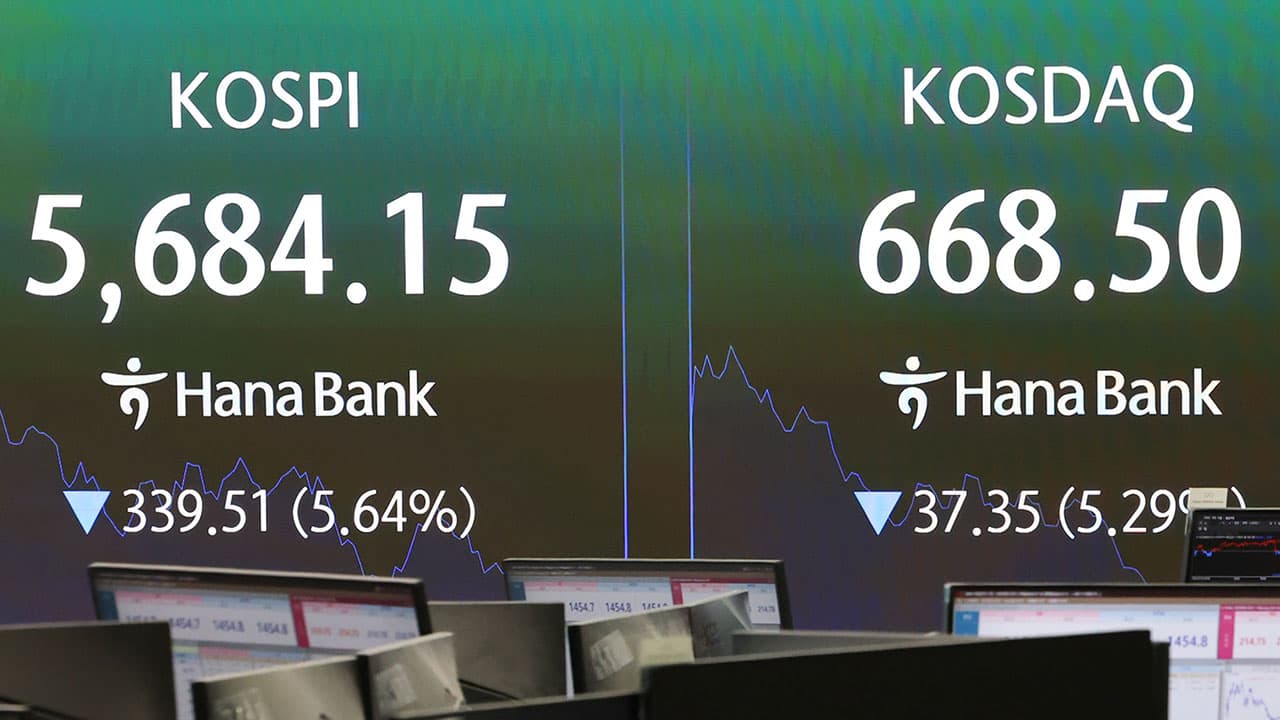
KOSPI, KOSDAQ Trigger Sell-Side Sidecar for Second Time This Week Amid Sharp Reversal

Will the Bank of Korea Raise Rates Again in August After Its July Hike?
SK Hynix, Samsung and Kioxia Face Pivotal Earnings Test on AI Swings
Upcoming earnings from SK Hynix and Samsung Electronics will gauge whether investor enthusiasm for AI-driven memory chips can withstand recent market turbulence, as Kioxia's share slide adds to the jitters.