Samsung Electronics Gains 2% as Chip Exports Hit Record High
South Korea's semiconductor exports surged to a record $22.1 billion in the first 20 days of July, lifting Samsung Electronics shares roughly 2% even as the broader KOSPI stayed flat amid U.S.-Iran tensions.
South Korea's semiconductor exports surged to a record $22.1 billion in the first 20 days of July, lifting Samsung Electronics shares roughly 2% even as the broader KOSPI stayed flat amid U.S.-Iran tensions.
Samsung Electronics shares climbed about 2% on Monday after fresh customs data showed South Korea's semiconductor exports reached a record for the period, underscoring the strength of the global chip cycle even as broader markets stayed cautious.
According to preliminary trade figures cited by Seoul Economic Daily, chip shipments abroad totaled $22.1 billion between July 1 and July 20, a jump of 180.6% from the same stretch a year earlier. That marks the strongest such reading on record for the period and pushed semiconductors to 40.3% of the country's total exports, reinforcing chips' role as the single biggest driver of South Korea's trade performance.
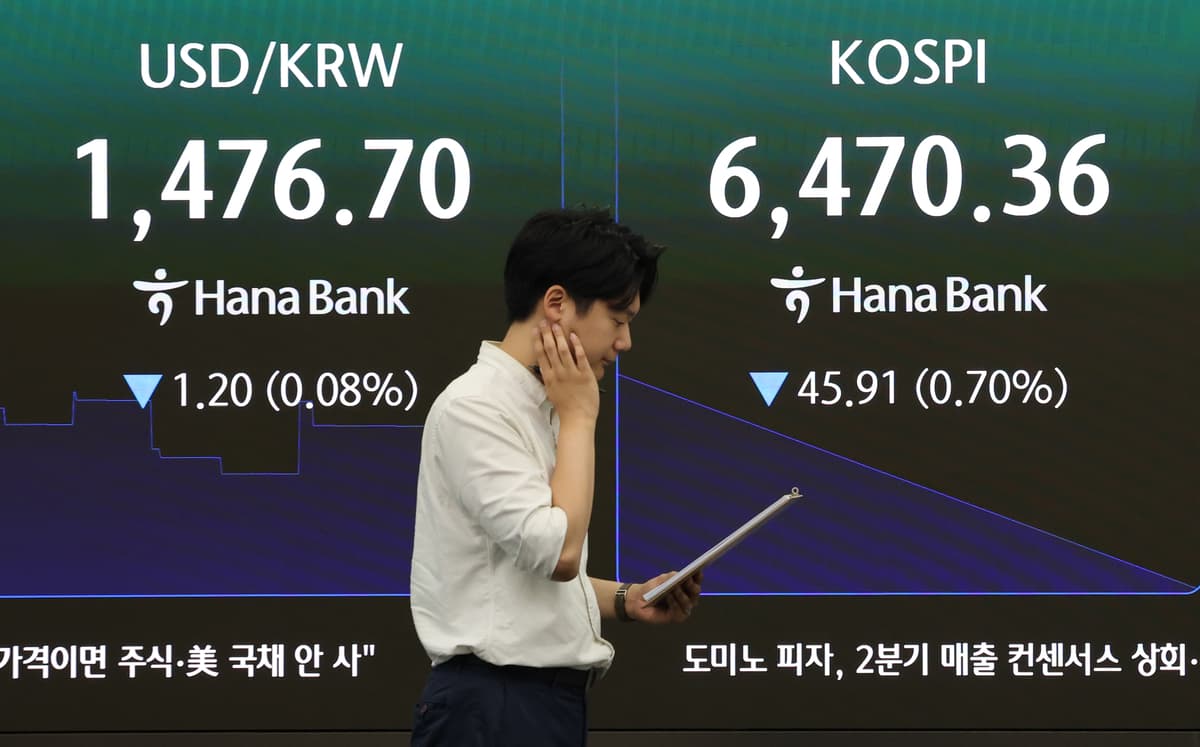
The rally in Samsung shares stood out against an otherwise muted session for the wider market. The benchmark KOSPI index traded near flat, with investors staying cagey as tensions between the United States and Iran added a layer of geopolitical risk to sentiment. Against that backdrop, Samsung's gain reflected targeted buying in chipmakers rather than a broad market rebound.
The export surge builds on a rebound in global memory chip demand that has been gathering pace this year, driven by continued investment in artificial intelligence infrastructure, data centers, and high-bandwidth memory used in AI accelerators. South Korea's two dominant memory producers, Samsung Electronics and SK Hynix, have been direct beneficiaries of that demand wave, with pricing for key memory products firming alongside shipment volumes.
Analysts have pointed to the export data as an early signal that South Korea's chip sector could deliver another strong quarter, following a period in which memory prices had been under pressure from oversupply. The July figures suggest that the recovery in both volume and pricing is translating directly into trade receipts, a dynamic markets are watching closely given semiconductors' outsized weight in the national economy.
Still, investors remain wary of external risks. The flat performance of the KOSPI even as chip exports hit a record highlights how geopolitical headlines, including the standoff between Washington and Tehran, continue to cap broader risk appetite despite strong sector-specific fundamentals.
With semiconductors now accounting for four out of every ten dollars of South Korean exports, the health of the chip cycle is increasingly synonymous with the health of the wider economy, keeping Samsung Electronics and its peers at the center of investor attention in the weeks ahead.
Related companies
Where it matters
Related coverage
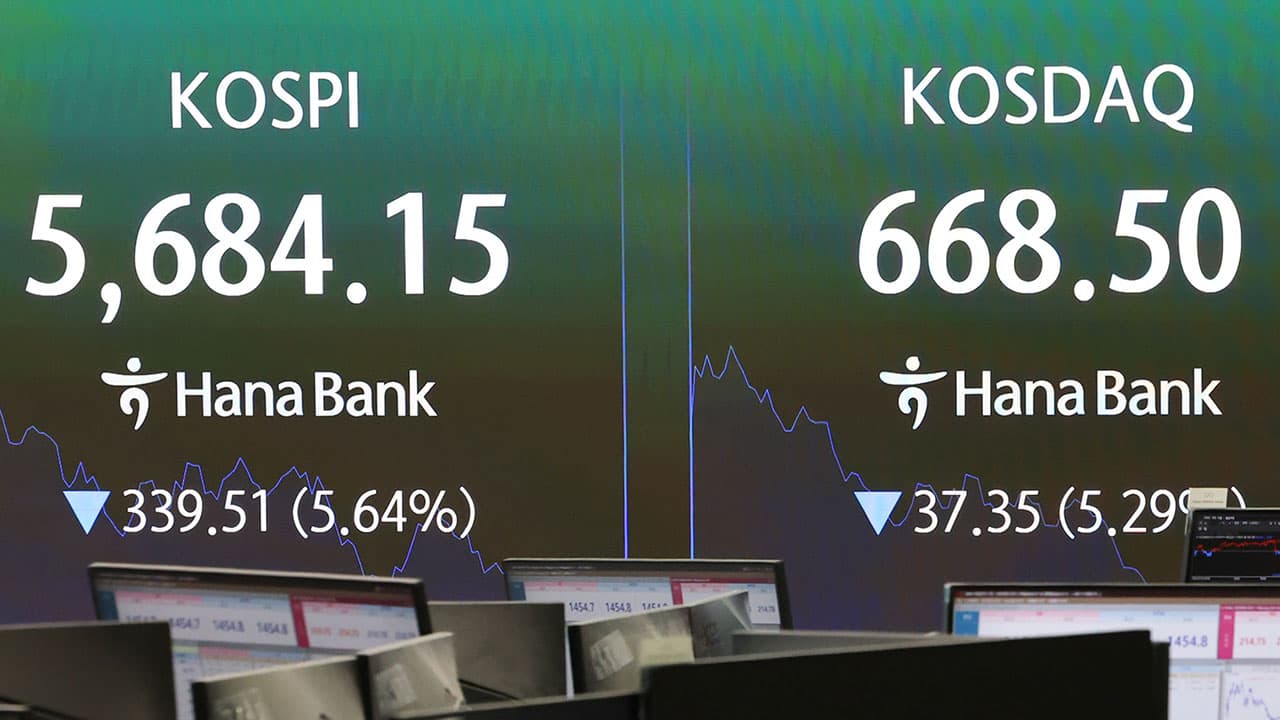
KOSPI, KOSDAQ Trigger Sell-Side Sidecar for Second Time This Week Amid Sharp Reversal

Will the Bank of Korea Raise Rates Again in August After Its July Hike?
AI Chip Boom Puts SK Hynix, Samsung and Kioxia Earnings in the Spotlight
SK Hynix and Samsung Electronics are preparing to report earnings that will gauge investor confidence in memory chips, as rising high-bandwidth memory prices and the rollout of HBM4 ease worries about a second-half slowdown.
SK Hynix, Samsung and Kioxia Face Pivotal Earnings Test on AI Swings
Upcoming earnings from SK Hynix and Samsung Electronics will gauge whether investor enthusiasm for AI-driven memory chips can withstand recent market turbulence, as Kioxia's share slide adds to the jitters.