POSCO Holdings Posts KRW 69 Trillion in 2025 Sales, Bets on Lithium and Overseas Steel for Profit Rebound
POSCO Holdings closed 2025 with consolidated sales of KRW 69.095 trillion and a modest net profit of KRW 504 billion, and it is now pointing to new lithium output in Argentina and expanding overseas steel operations as the drivers of a recovery in 2026.
POSCO Holdings closed 2025 with consolidated sales of KRW 69.095 trillion and a modest net profit of KRW 504 billion, and it is now pointing to new lithium output in Argentina and expanding overseas steel operations as the drivers of a recovery in 2026.
POSCO Holdings has reported full-year 2025 consolidated sales of KRW 69.095 trillion, along with operating profit of KRW 1.827 trillion and net profit of KRW 504 billion. The steelmaker-turned-materials group said the results reflect a difficult year marked by a global economic slowdown and rising trade protectionism, but it credited steady earnings from its core steel and LNG-linked energy businesses with cushioning the impact of start-up costs in its battery materials arm and one-off losses tied to construction projects.
On a standalone basis, POSCO's steel division saw sales slip 6.8% year-on-year to KRW 35.011 trillion, yet operating profit climbed 20.8% to KRW 1.78 trillion as cost-cutting measures, including improved energy efficiency, took hold. The fourth quarter was bumpier, with output and shipments briefly dented by higher raw material costs and scheduled maintenance at major plants, though better sales prices helped limit the damage.
The battery materials unit, POSCO Future M, roughly held profitability steady from the prior year despite soft lithium prices. A new plant in Argentina began commercial output at the end of 2024, and the upfront costs of ramping up that facility weighed on consolidated earnings during 2025 — a drag the company expects to ease as operations mature. In the infrastructure segment, POSCO International strengthened its energy portfolio through higher LNG output at Australia's Senex Energy and the acquisition of an Indonesian palm oil business, while construction arm POSCO E&C saw wider losses due to one-off costs from suspended projects.
The company said the fourth quarter marked a low point driven by plant repairs, divestment costs and construction-related charges, and it now expects earnings to trend upward through 2026 on the back of resilient steel and LNG performance plus the start of commercial-scale lithium production. For the year ahead, POSCO plans to sharpen its steel specialization — energy-grade steel at Pohang and mobility-grade steel at Gwangyang — while breaking ground on a hydrogen-based reduction steelmaking demonstration plant as part of its decarbonization push, alongside continued overseas joint ventures under what it calls a full localization strategy.
In battery materials, commercial lithium production in Argentina is expected to start contributing to profitability this year, with an equity stake in an Australian lithium mine set to add earnings from the second half of 2026. POSCO International will keep building out its energy value chain through the Senex Energy expansion and the Indonesian palm asset. Underpinning all of this is an aggressive restructuring drive: POSCO Holdings has already completed 73 divestments and reorganizations since 2024, raising KRW 1.8 trillion in cash, and plans 55 more such moves through 2028 to generate an additional KRW 1 trillion for growth investment.
Related companies
Where it matters
Related coverage
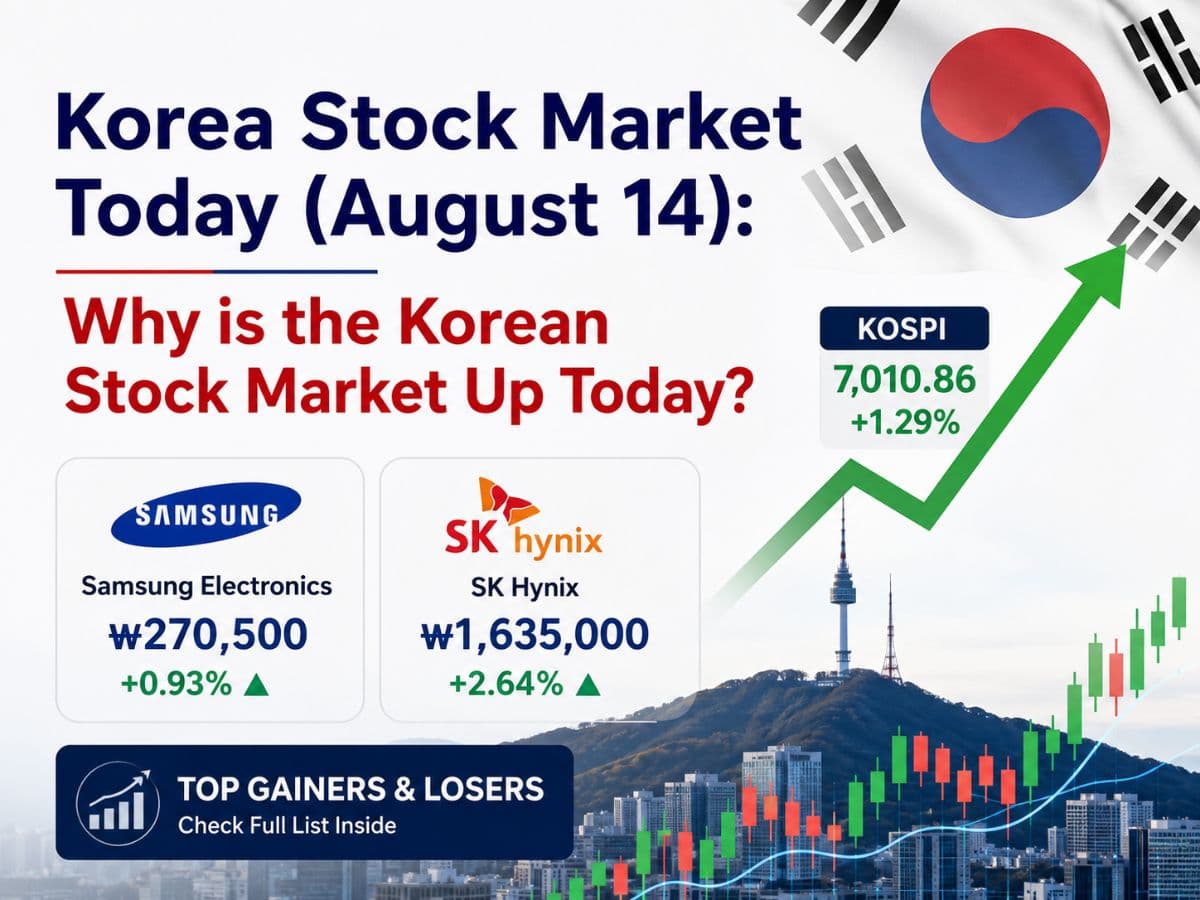
KOSPI Briefly Tops 7,000 as Samsung Electronics and SK Hynix Extend Rally

Kospi Enters Bull Market as Samsung, SK Hynix Surge on AI Optimism
SK Hynix, Samsung Shares Rally as Temasek Report Boosts Optimism
Shares of Samsung Electronics and SK Hynix surged more than 8% and the Kospi jumped about 5% after a local report said Singapore's Temasek plans to invest directly in the two chipmakers, reviving optimism after July's AI spending-driven selloff.
South Korean Stocks Rebound on Semiconductor Export Surge; Samsung Electronics Jumps 4.13%
South Korea's KOSPI and KOSDAQ extended gains for a second straight session on August 11 after customs data showed semiconductor exports more than doubled in early August, sending Samsung Electronics up 4.13% and lifting SK Hynix out of early losses.