Population Mobility Declines in South Korea Amid Housing Market Slowdown
South Korea's population mobility decreased in August due to a housing market slowdown.
South Korea's population mobility decreased in August due to a housing market slowdown.
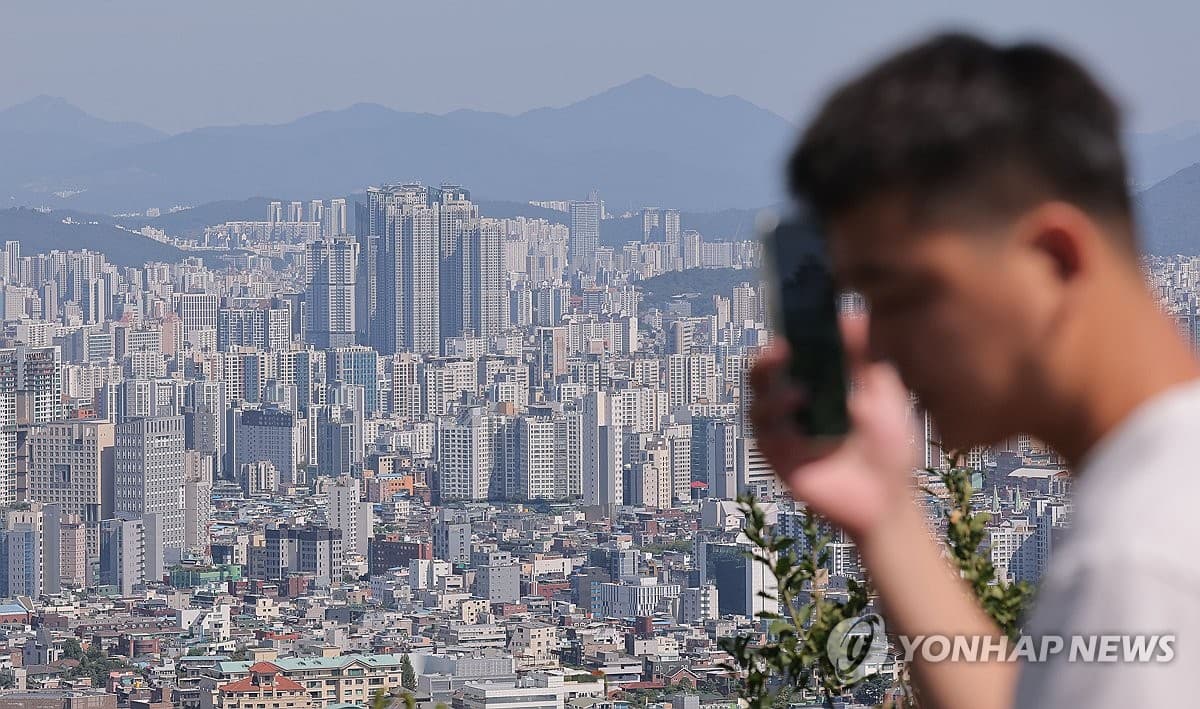
In August 2026, South Korea experienced a significant decline in population mobility, with approximately 471,000 individuals changing residences. This figure marks a decrease of 22,000 compared to the same month last year and is the lowest recorded for August in 53 years.
The Ministry of Data and Statistics reported that the population mobility rate fell to 10.9 percent, down 0.5 percentage points from the previous year. This decline is largely attributed to a slowdown in housing transactions and a decrease in new home supplies.
In June and July, the total number of homes traded was about 132,000, reflecting a 4.4 percent drop from the previous year. Additionally, the completion of new apartment units fell by 29.1 percent, totaling only 43,000 units.
Regionally, Seoul saw a net outflow of 2,901 residents, while South Gyeongsang Province and the Jeonnam-Gwangju area also reported net outflows. Conversely, Gyeonggi Province experienced a net inflow of 4,486 people, highlighting regional disparities in population movement.
This trend raises concerns about the potential impact on economic growth and consumer behavior in South Korea, as a stagnant housing market can influence spending and investment patterns.
Where it matters
Related coverage
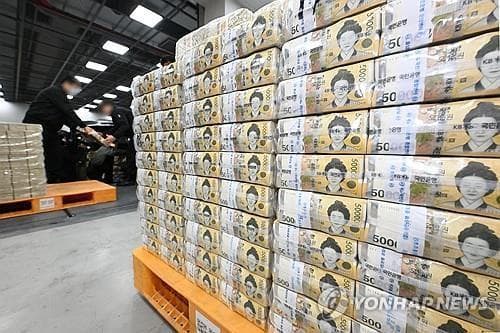
BOK Supplies 3.65 Trillion Won in Fresh Banknotes Ahead of Chuseok

OECD Raises South Korea's 2026 Growth Forecast to 3.7%
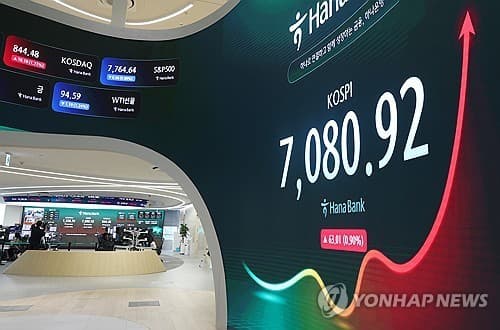
Seoul Stocks Rise for Fourth Consecutive Session on Chip Gains