North Korea Turns to Chinese Joint Ventures to Process Exports at Home
North Korean trading units are reportedly abandoning raw-material exports to China in favor of joint ventures that process pine nuts, mushrooms and herbs domestically, a shift aimed at capturing more value from cross-border trade.
North Korean trading units are reportedly abandoning raw-material exports to China in favor of joint ventures that process pine nuts, mushrooms and herbs domestically, a shift aimed at capturing more value from cross-border trade.
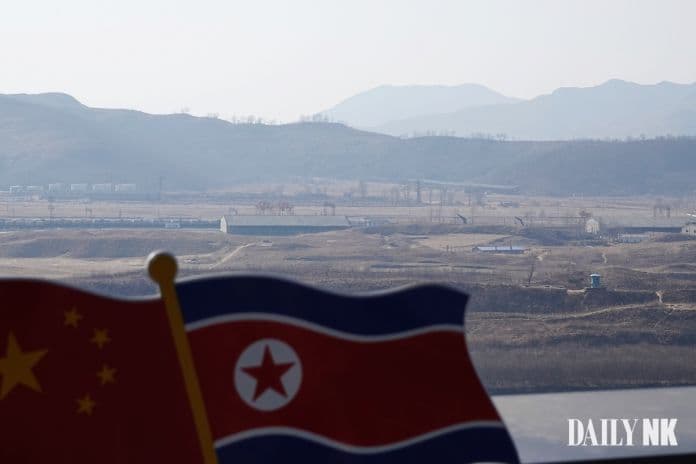
North Korea appears to be overhauling how its trading units earn foreign currency from China, according to a source inside the country cited by Daily NK. Rather than shipping raw forest products such as pine nuts, wild mushrooms and medicinal herbs across the border for processing elsewhere, more North Korean trading companies are now partnering with Chinese investors to build processing plants on North Korean soil.
Under the emerging model, Chinese partners supply production equipment and technology, while North Korean workers turn raw materials into finished goods before they ever leave the country. The source told Daily NK that this transition, long discussed but slow to materialize, now finally "appears to be happening." By adding a domestic processing step, trading units can price in labor and manufacturing costs, capturing value that previously flowed to processors on the Chinese side of the border.
The shift is unfolding alongside a broader push by Pyongyang and Beijing to route more trade through official customs channels rather than informal, smuggling-based networks that traders have relied on for years. Goods once carried across the border covertly, including machinery previously snagged by international sanctions, are increasingly entering North Korea labeled as aid and transported by registered cargo trucks that clear the border more easily.
That formalization cuts both ways for Chinese businesspeople. Where smuggling required little more than paying for goods and slipping them across the border, the new joint-venture arrangements demand upfront investment inside North Korea, the shipment of production equipment, and approval from both governments before finished goods can be exported. Some Chinese traders worry the added bureaucracy leaves their capital exposed, since Pyongyang could still delay or withhold approval after money and machinery have already crossed into the country.
The source contrasted the old and new risk profiles: smuggling deals were settled purely between trading partners, but state-managed trade now leaves outcomes hostage to diplomatic relations and shifting policy between the two governments. North Korean officials have for years touted joint ventures and technology transfers as a path to higher foreign-currency earnings than raw-material sales alone, and the recent warming in North Korea-China relations appears to be giving that strategy fresh momentum.
While the processed-goods model is gaining traction, its durability remains uncertain, with traders on both sides of the border still testing how reliably the new approval-based system will function over time.
Where it matters
Related coverage
Zelenskyy Warns Up to 50,000 North Korean Troops Could Join Russia's War

Kim Jong Un Reaps $22 Billion Windfall from Russian Alliance

Hopes for the North Korean Human Rights Act of 2026
Kim Jong Un's Regime Reaps $22 Billion Windfall Despite Sanctions
A new Bloomberg Economics analysis estimates North Korea earned up to $22 billion in foreign revenue between 2022 and 2025, nearly four times the previous four-year span, fueled largely by ties to Russia's war in Ukraine.