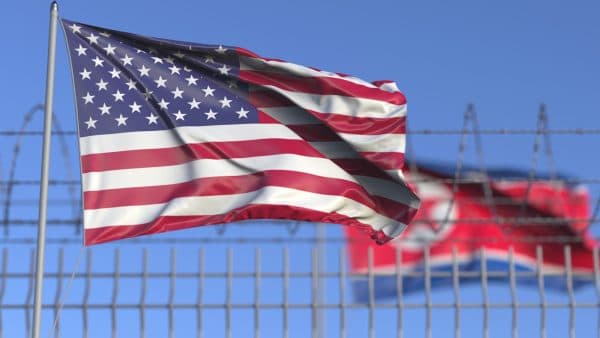
Hopes for the North Korean Human Rights Act of 2026
Senators Tim Kaine and Dan Sullivan have introduced a bipartisan bill to reauthorize the North Korean Human Rights Act, lapsed since 2022, as advocates call for more pressure on China over forced repatriation of defectors.
Senators Tim Kaine and Dan Sullivan have introduced a bipartisan bill to reauthorize the North Korean Human Rights Act, lapsed since 2022, as advocates call for more pressure on China over forced repatriation of defectors.
A bipartisan push is underway in the U.S. Senate to revive a landmark piece of legislation aimed at holding Pyongyang accountable for human rights abuses. Senators Tim Kaine, a Virginia Democrat, and Dan Sullivan, an Alaska Republican, have introduced the North Korean Human Rights Reauthorization Act, seeking to restore a law that has been lapsed since 2022.
The original North Korean Human Rights Act, first passed in 2004, authorized funding for advocacy groups, supported the resettlement of North Korean refugees, backed outside radio broadcasts into the isolated country, and created a special U.S. envoy position dedicated to monitoring conditions inside North Korea. Although the act was periodically renewed for nearly two decades, it expired four years ago and has not been reauthorized since, leaving a gap in America's institutional response to the issue.
An opinion piece published by The Diplomat argues that the timing of the new bill is critical. As North Korea deepens its alignment with China and Russia, ordinary North Koreans face growing isolation from outside information and support networks. The strengthening of this three-way axis, the piece contends, has made international engagement with the North Korean population more difficult and more urgent at the same time.
The commentary also renews attention on a long-standing point of friction: Beijing's practice of forcibly repatriating North Korean escapees caught on Chinese soil. Rather than granting asylum, China routinely sends these individuals back across the border, where defectors have historically faced imprisonment in labor camps, interrogation, and in some cases execution. Advocates say Washington and its allies must apply sustained diplomatic pressure on China to halt the practice, framing it as a violation of international refugee protections.
Supporters of the reauthorization argue that passing the bill would send a clear signal that Congress has not abandoned its commitment to North Korean human rights, even as strategic attention shifts toward nuclear and security concerns on the peninsula. The special envoy position alone, they note, has remained vacant for extended periods due to the law's lapse, weakening the U.S. government's ability to coordinate policy on the issue.
Whether the 2026 reauthorization effort succeeds will depend on securing broader support in both chambers of Congress amid a crowded legislative calendar. Rights groups are hopeful that the bipartisan nature of the Kaine-Sullivan bill, echoing the original 2004 act's cross-party origins, could help it move forward relatively quickly once floor time is found.
Where it matters
Related coverage
Kim Jong Un's Regime Reaps $22 Billion Windfall Despite Sanctions
A new Bloomberg Economics analysis estimates North Korea earned up to $22 billion in foreign revenue between 2022 and 2025, nearly four times the previous four-year span, fueled largely by ties to Russia's war in Ukraine.

Kim Jong Un Cites Iran War to Justify North Korea's Nuclear Arsenal

Kim Orders Major Expansion of North Korea's Intelligence Network
