Korean Air Told to Revise Asiana Mileage Plan for Second Time
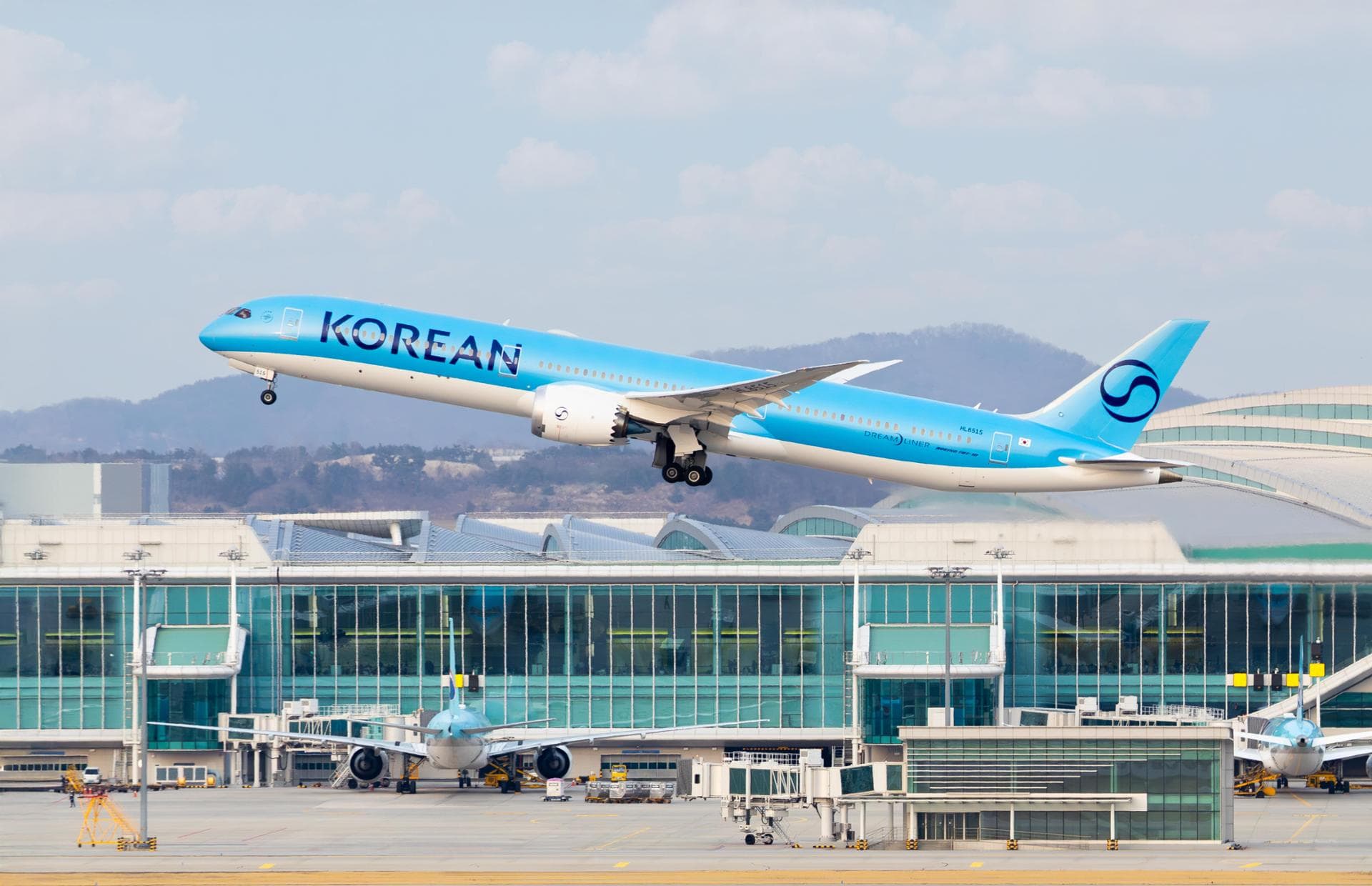
South Korea's antitrust regulator has again rejected Korean Air's proposal for merging its frequent-flyer program with Asiana Airlines, demanding stronger protections for bonus seats and mileage upgrades. The carrier has less than a month to submit new measures.
South Korea's antitrust regulator has again rejected Korean Air's proposal for merging its frequent-flyer program with Asiana Airlines, demanding stronger protections for bonus seats and mileage upgrades. The carrier has less than a month to submit new measures.
South Korea's Fair Trade Commission has ordered Korean Air to overhaul its plan for converting Asiana Airlines mileage, marking the second time regulators have blocked the carrier's proposal over concerns that it fails to protect customers.
The antitrust watchdog said Monday that Korean Air must supplement its scheme with a stronger program for redeeming mileage on in-flight seats, and submit revised rules governing bonus seats and mileage-based upgrades. The airline was given less than a month to report its updated measures.
It is the second setback for the integration plan this year. In June, the commission rejected Korean Air's initial proposal, saying it did not adequately safeguard the interests of Asiana loyalty members. Three months later, the carrier came back with an offer to convert Asiana flight mileage at a one-to-one ratio, while applying a one-to-0.82 rate for partner mileage earned through credit card rewards.
Regulators signaled they would apply tougher scrutiny this time. An FTC official said the conversion plan should be fixed to meet public expectations, adding that the review would be conducted in a way that further strengthens customers' rights and interests. The mileage question affects tens of millions of members across both airlines.
On the same day, the commission fined Korean Air 5.88 billion won ($4 million) and Asiana 580 million won for breaching a condition attached to the merger's approval. The rule requires the two carriers to keep the number of in-flight seats at more than 90 percent of 2019 levels on certain routes.
An investigation found that seat capacity between Incheon and Frankfurt fell to just 69.5 percent of 2019 levels between December 2024 and March 2025. The regulator warned that the airlines could unfairly profit from higher fares by cutting seats on affected routes.
Korean Air plans to complete its operational merger with Asiana by the end of 2026 and launch a combined mega carrier in 2027. The integrated frequent-flyer program remains one of the most closely watched aspects of the tie-up.
Related companies
Where it matters
Related coverage

Hyundai Glovis Wins Series of China Battery, Vehicle Shipping Contracts

From Korea to Portelinha: How Doowon Is Changing Lives in Piracicaba, Brazil

LG Electronics Posts Record Q2 Profit as Appliances and Auto Parts Business Shine
