From Korea to Portelinha: How Doowon Is Changing Lives in Piracicaba, Brazil
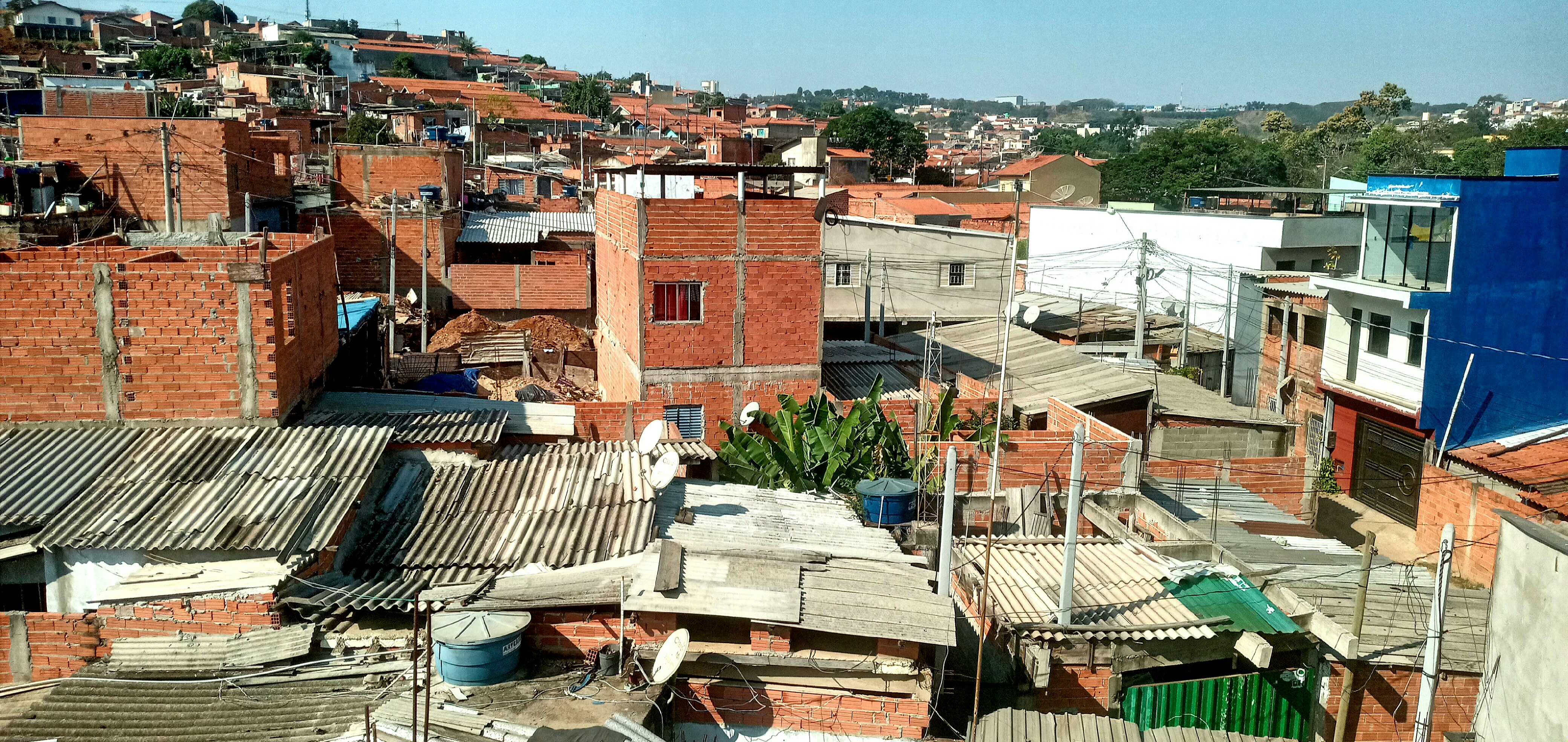
South Korean auto parts maker Doowon supports a social project that brings vocational training to Portelinha, one of Brazil's largest favelas, located near its Piracicaba plant.
South Korean auto parts maker Doowon supports a social project that brings vocational training to Portelinha, one of Brazil's largest favelas, located near its Piracicaba plant.
Every time I visit a Korean facility outside of Korea, I ask myself the same question: what does this company leave behind, beyond the jobs and taxes it generates? In Piracicaba, in the interior of São Paulo state, I found an answer worth telling.
Doowon, the South Korean auto parts manufacturer with global operations and a solid presence in Brazil, decided not to limit itself to the role of industrial investor. Alongside the local community, the company took on a commitment that many multinationals prefer to avoid: looking directly at the inequality surrounding its own factory.
A neighborhood, a mission Just a few kilometers from Doowon's plant lies Jardim São Paulo, the neighborhood that is home to Portelinha, Piracicaba's largest favela. Around 40,000 people live in a region marked by unemployment, crime, and a lack of basic infrastructure — many homes there don't even have sewage systems or formally recognized addresses.
It is in this setting that Casa do Povo operates, a social project conceived by the Brazil-South Korea Commercial and Industrial Association (ACIBC), an entity born within Piracicaba's own Korean automotive cluster, alongside Hyundai. ACIBC receives no funding from the Brazilian government. Its existence depends entirely on the support of partner companies — and this is where Doowon steps in as a leading player.
Training as a bridge to dignity Doowon's support for Casa do Povo takes the form of vocational courses that each tackle, in their own way, a different facet of the neighborhood's social vulnerability:
Baking, one of the most sought-after courses, mainly attracts mothers looking for an extra source of income and a practical way to diversify the food that reaches their family's table. In a community where informality is the rule, learning a trade that can become a small business is often the difference between subsistence and instability.
Computing and artificial intelligence for young people is perhaps the program's most strategic course. In a neighborhood where crime presents itself as the most accessible path for many teenagers, offering technological education means offering an alternative route — a real chance to enter the formal job market instead of the street economy.
Exercise programs for the elderly complete the tripod, caring for the population over 65, who need health professionals' support to age with quality of life. It's a reminder that social responsibility isn't limited to young people and working mothers: it also involves the elderly, often forgotten by public policy.
What this says about Doowon — and about Korea in Brazil
As a journalist who has followed the trajectory of Korean companies around the world for years, I have seen companies that treat social responsibility as a public relations item. Doowon's case in Piracicaba seems different: it is a sustained partnership, built together with a local association that was born precisely from the city's Korean automotive ecosystem — ACIBC — and that depends on this collaboration to survive.
This matters because it speaks to the kind of presence Korean companies can have abroad. In recent years, Piracicaba has become one of the most relevant hubs for South Korean investment in Brazil, with the arrival of Hyundai and its supplier chain. By directing part of its social commitment to the most vulnerable community around this production chain, Doowon shows that Korean investment can mean more than factories and direct jobs — it can also mean investment in human capital, in safety, and in dignity for those living on the margins of the industrial development that these same companies help build.
The absence of government support for Casa do Povo makes Doowon's gesture even more significant. Without the subsidy of partner companies, the project simply wouldn't exist — and thousands of people in Portelinha would lose one of the few real bridges between poverty and opportunity.
Let this stand as a record, and an invitation for other Korean companies established in Brazil to take a close look at this initiative. It is not just a good story to tell — it is a replicable model of how Korean capital can put down responsible roots in the communities that need it most.
Related companies
Where it matters
Related coverage

Hyundai Motor to Supply Official Vehicles for First Korea-Central Asia Summit in 2026
Hyundai Mobis Posts Mixed Q2 Results as Governance Overhaul Fuels Stock Speculation
Hyundai Mobis beat profit expectations in the second quarter of 2026 thanks to strong after-sales earnings, but analysts remain split on the outlook as investors weigh a possible group governance restructuring.

Hyundai Glovis Wins Series of China Battery, Vehicle Shipping Contracts
