Kim Jong Un to Travel to Beijing for WWII Anniversary Military Parade
North Korean leader Kim Jong Un is set to visit Beijing to attend a September 3 military parade marking the 80th anniversary of the end of World War II, joining Russian and Belarusian leaders at an event with no Western officials expected.
North Korean leader Kim Jong Un is set to visit Beijing to attend a September 3 military parade marking the 80th anniversary of the end of World War II, joining Russian and Belarusian leaders at an event with no Western officials expected.
North Korean leader Kim Jong Un plans to travel to Beijing to attend a military parade on September 3 commemorating the end of World War II, according to a report. The trip would mark one of Kim's rare appearances on the international stage alongside other heads of state.
The parade is being hosted by Chinese President Xi Jinping and is expected to draw a lineup of leaders that includes Russian President Vladimir Putin and Belarusian President Alexander Lukashenko. Notably absent from the guest list are top officials from North America or Europe, underscoring the political fault lines the event is likely to highlight.
Analysts say the gathering carries heavy symbolic weight, framing itself as a show of unity among nations positioning themselves in contrast to the Western-led international order. For Kim, appearing publicly alongside Xi and Putin would be a striking visual statement of North Korea's deepening alignment with Beijing and Moscow.
The visit would come amid a period of intensified cooperation between Pyongyang and Moscow, particularly since North Korea began supplying troops and weapons to support Russia's war effort in Ukraine. China, for its part, remains North Korea's largest trading partner and most important diplomatic backer, even as Beijing has sought to balance that relationship with its own strategic interests.
Kim rarely travels abroad, and joint appearances with both Xi and Putin at a single event would be unusual even by the standards of North Korea's recent diplomatic outreach. Such a moment would offer a rare, visible marker of the trilateral relationship that has taken shape over the past two years.
The September 3 parade, marking 80 years since the end of World War II in the Pacific, is expected to serve less as a historical commemoration and more as a geopolitical statement, illustrating how the war's legacy is being invoked by Beijing, Moscow and Pyongyang to project a shared narrative in opposition to Western influence.
Where it matters
Related coverage
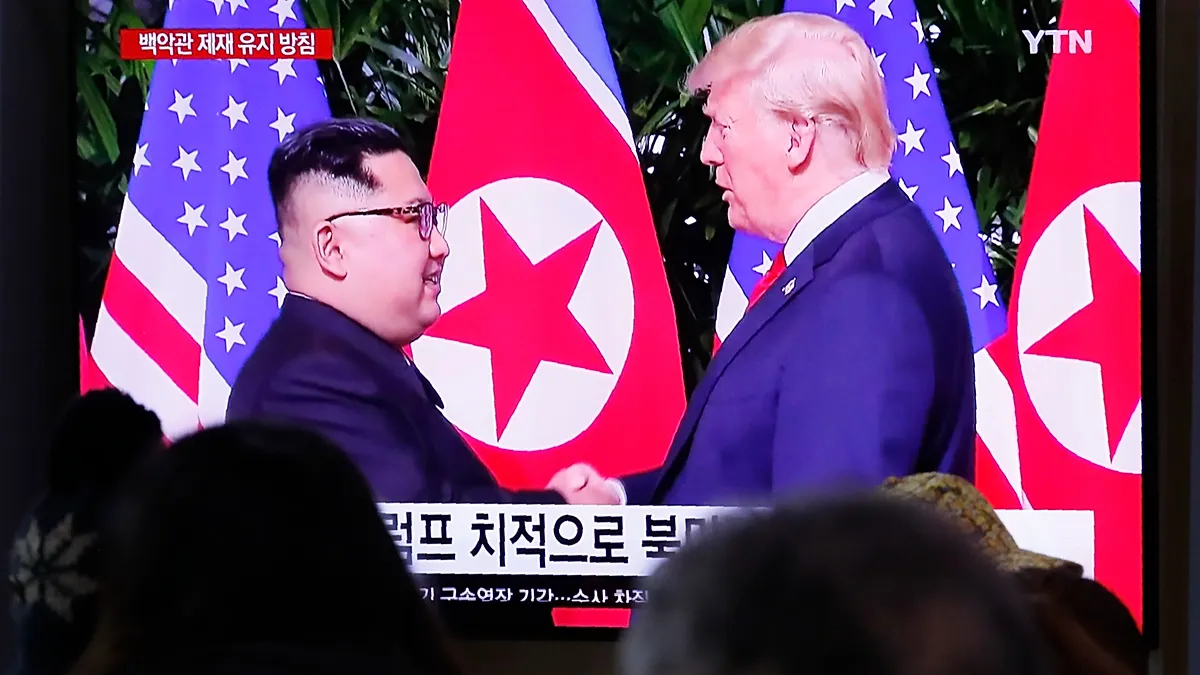
Seoul Spy Agency Says US-North Korea Summit Could Happen 'At Any Time'

Kim Jong-un's Strategic Fortunes Rebound as Russia, China and the US All Come Courting
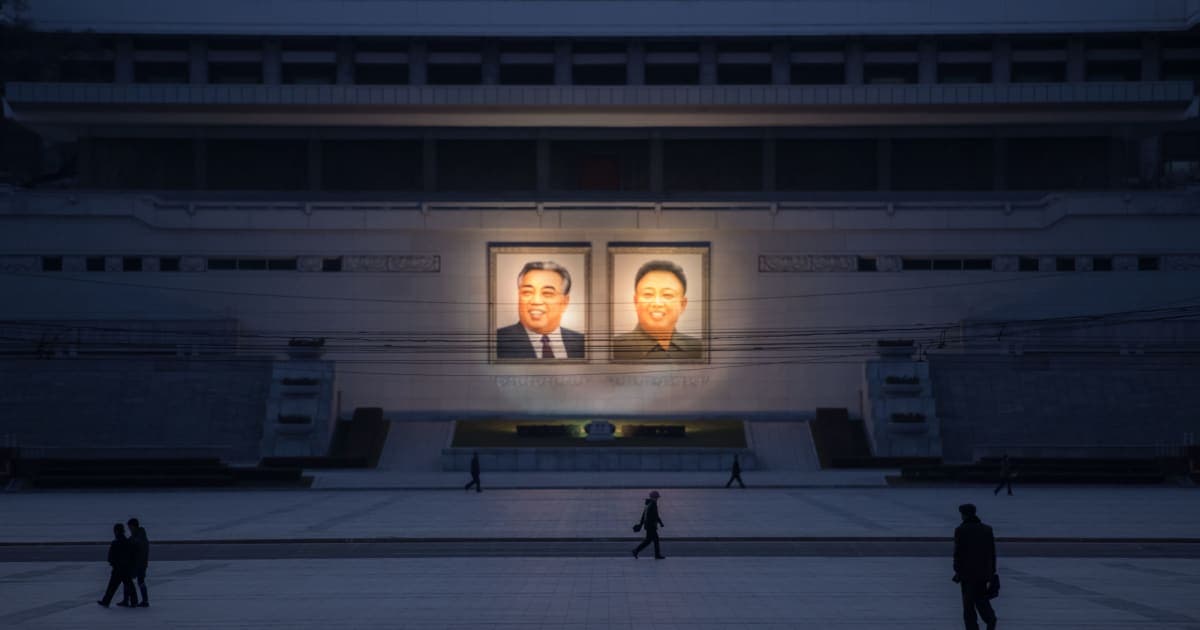
How Power Really Works in North Korea: Kim Jong Un, the Party and the Army
North Korea Keeps China at Arm's Length Even as Ties With Russia Deepen
A new analysis from 38 North finds Pyongyang is still holding back public displays of warmth toward Beijing even as it aligns more closely with China on security issues, in sharp contrast to its increasingly effusive language toward Moscow.