KAI Rolls Out First Mass-Production KF-21 Boramae Fighter Jet
Korea Aerospace Industries has unveiled the first mass-production unit of its KF-21 Boramae fighter, marking the program's shift from prototype testing to full-scale serial manufacturing.
Korea Aerospace Industries has unveiled the first mass-production unit of its KF-21 Boramae fighter, marking the program's shift from prototype testing to full-scale serial manufacturing.
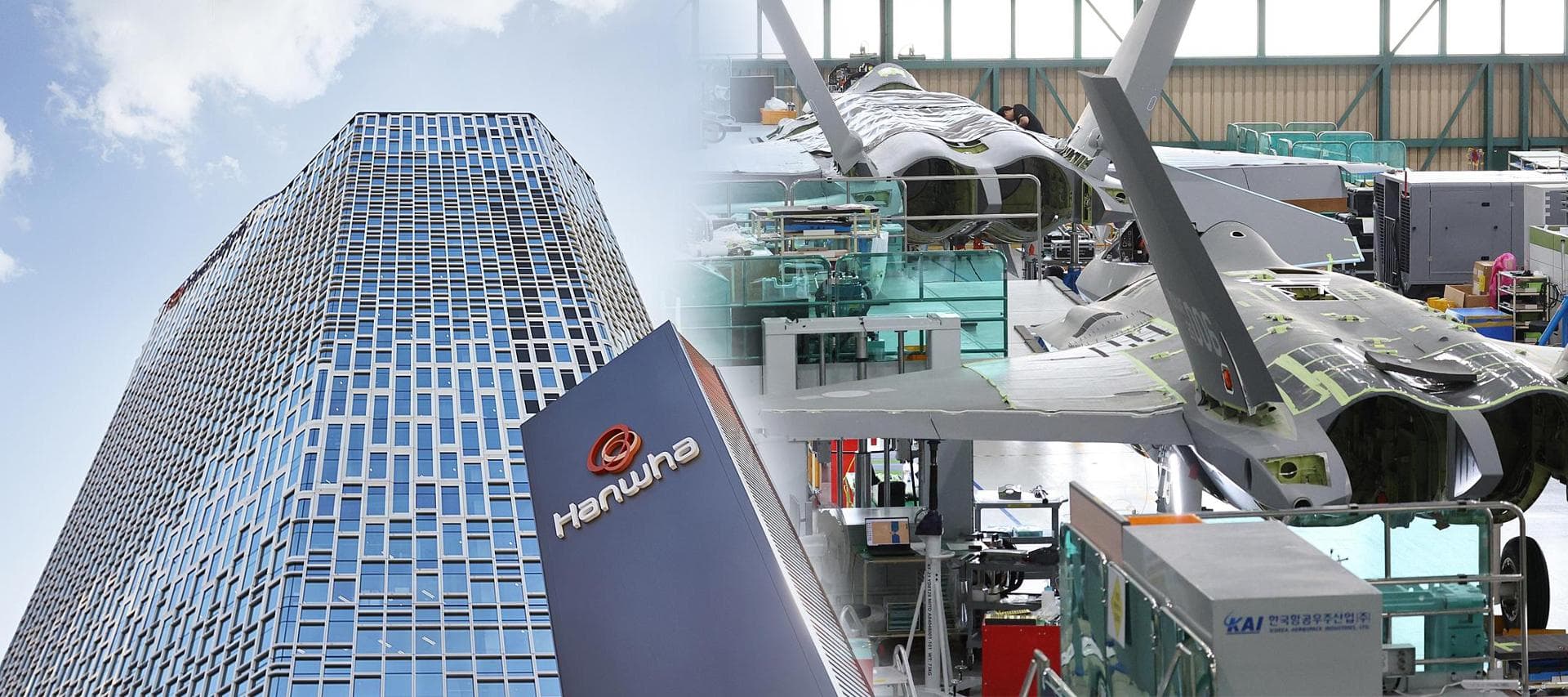
Korea Aerospace Industries (KAI) has rolled out the first mass-production example of the KF-21 Boramae, the country's homegrown supersonic fighter jet, in a ceremony that signals a pivotal shift for the program from prototype development to serial manufacturing.
The rollout represents years of design, testing and certification work since the KF-21 program began, culminating in an aircraft built on KAI's production line rather than as an experimental test article. Engineers and officials have long described the transition to serial output as the true test of whether an indigenous fighter program can scale beyond a handful of demonstrators into a fleet capable of frontline service.
The KF-21 is a twin-engine, 4.5-generation fighter developed by KAI with backing from South Korea's government as part of a broader push to reduce reliance on imported combat aircraft and build up the country's aerospace export base. The jet has already completed a multi-year flight test campaign involving several prototypes, clearing milestones such as supersonic flight and weapons integration trials ahead of this production phase.
With the first production-standard airframe now off the line, KAI is positioned to ramp up deliveries toward the Republic of Korea Air Force, which is expected to receive the jets as part of a phased replacement of its aging fighter fleet. Industry watchers see the milestone as reinforcing Seoul's ambitions to position the KF-21 as a competitive option in international fighter markets, alongside established Western and Russian designs.
For KAI, the rollout is also a commercial inflection point. Moving into serial production typically brings steadier revenue streams tied to unit deliveries rather than the front-loaded, non-recurring costs of development work, a shift investors and analysts tracking the company will be watching closely in the coming quarters.
The company has not detailed the full production schedule for subsequent units, but the rollout is being treated within Korea's defense industry as confirmation that the KF-21 program is now firmly in its operational deployment phase, following years of design refinement and testing.
Related companies
Where it matters
Related coverage
KAI Signs $460 Million Deal to Add Air-to-Ground Strike Capability to KF-21 Fighter
Korea Aerospace Industries has signed a 685.9 billion won contract with South Korea's defense procurement agency to test and integrate ground-attack capabilities into the KF-21 Boramae fighter, expanding the jet's role beyond air-to-air combat.
Hanwha Group to Invest $299 Million in Its US Defense Subsidiaries

Hanwha Offers Up to $1.2 Billion for Austal's US Shipbuilding Business