Hanwha Expands KAI Stake Above 15%, Deepening Aerospace Ambitions
Hanwha Group's combined stake in Korea Aerospace Industries has climbed to about 15.89% after Hanwha Systems bought more shares, triggering a mandatory antitrust review and pointing to tighter cooperation between the two companies' space, aviation and defense businesses.
Hanwha Group's combined stake in Korea Aerospace Industries has climbed to about 15.89% after Hanwha Systems bought more shares, triggering a mandatory antitrust review and pointing to tighter cooperation between the two companies' space, aviation and defense businesses.
Hanwha Group has pushed its combined ownership of Korea Aerospace Industries (KAI) past the 15 percent mark, a threshold that triggers a mandatory business combination review and signals the conglomerate's intent to draw closer to the country's flagship aircraft maker.
According to a regulatory filing, Hanwha Systems purchased an additional 3.45 percent of KAI shares on the open market over the past month, lifting Hanwha Group's total stake to about 15.89 percent. Because the holding now exceeds 15 percent, Hanwha is required to file for a business combination review with the Fair Trade Commission (FTC), and the group is reportedly weighing a larger role in KAI's decision-making.
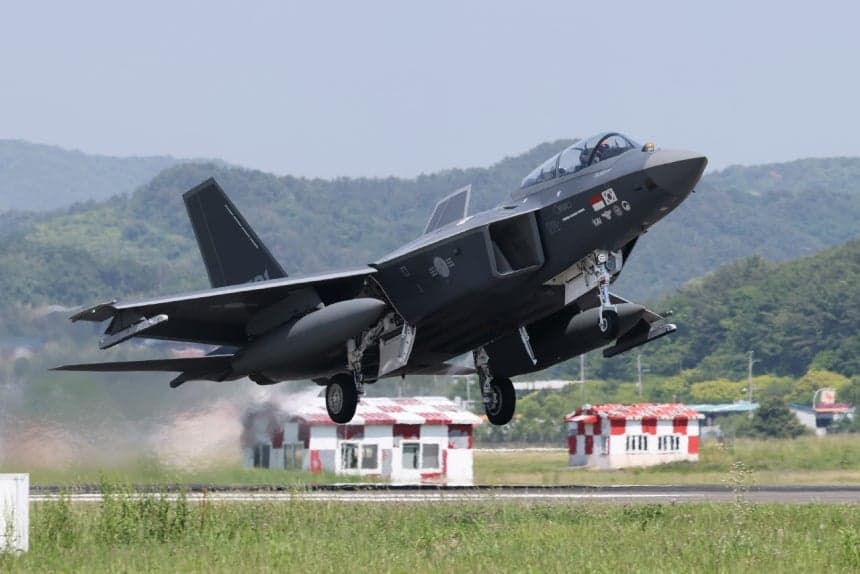
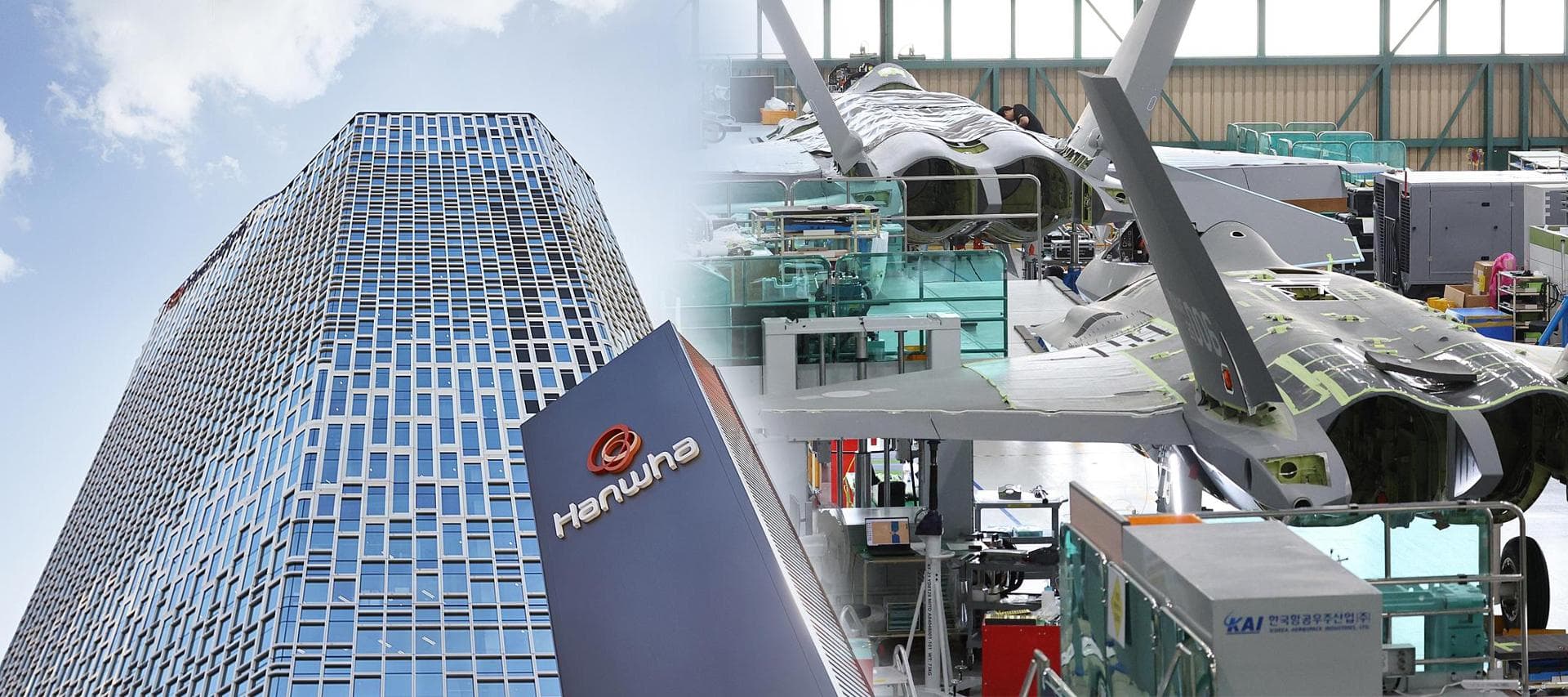
The move underscores Hanwha's ambition to link its space, aviation and defense businesses more tightly with KAI. Hanwha brings strengths in aircraft engines, guided weapons, radar and satellites along with land and naval systems, while KAI offers systems-integration expertise in fighter jets, helicopters and unmanned aircraft. A Hanwha official said the group aims to sharpen its global competitiveness in the space, aviation and defense sectors through cooperation with KAI.
The potential partnership dovetails with Hanwha's broader international push, including a proposed $1.05 billion to $1.2 billion acquisition of Austal's U.S. shipbuilding operations, as well as its previously announced plan to invest 55 trillion won ($40 billion) by 2040 in launch vehicles and AI data centers for space and defense.
Still, closer integration with KAI could invite regulatory scrutiny. When Hanwha absorbed Daewoo Shipbuilding & Marine Engineering to form Hanwha Ocean, the FTC imposed restrictions to prevent naval-sector monopoly concerns, later extending them for another three years in April. Analysts expect similar caution if Hanwha pursues greater managerial control over KAI.
A central unresolved question is whether Seoul will eventually allow full privatization of KAI. The state-run Export-Import Bank of Korea remains the company's largest shareholder with a 26.41 percent stake, though it has taken a limited role in day-to-day management, fueling speculation that Hanwha, now the second-largest shareholder, could eventually deepen its influence. A defense industry official noted that the two companies' businesses are largely complementary rather than overlapping, calling the outlook for closer cooperation "optimistic." The government has not yet decided whether to move forward with KAI's privatization.
Related companies
Where it matters
Related coverage

Samsung Life Skips Final Bid for KDB Life, Leaving Hanwha, Heungkuk and Korea Investment in Three-Way Race
Samsung, SK Hynix Slide, but Warmth Spreads Across KOSPI and KOSDAQ

Hanwha Investment Cuts KEPCO Target Price, Cites Energy Price Risk