
HMM's Fortunes Still Ride on the Freight-Rate Cycle, Investors Told
An investor-focused review of HMM says the South Korean container carrier's earnings remain tightly bound to freight rates, vessel utilization and global trade volumes, with the spread between contract and spot rates the decisive swing factor.
An investor-focused review of HMM says the South Korean container carrier's earnings remain tightly bound to freight rates, vessel utilization and global trade volumes, with the spread between contract and spot rates the decisive swing factor.
South Korea's HMM (011200) remains one of the most freight-rate-sensitive names on the Korea Exchange, and a recent investor-focused review argues that little has changed about what moves its results. The container carrier's earnings, the review notes, are still closely linked to shipping rates, how full its vessels sail and the overall pace of global trade.
Because container shipping is a capital-intensive business, HMM sits on heavy operating leverage: relatively small shifts in pricing power can move profit sharply in either direction. The single most important variable, according to the review, is the gap between the contract rates locked in with long-term customers and the spot rates set day to day on the open market.
That spread, combined with how much cargo HMM can keep flowing across its network, tends to decide whether margin pressure eases or returns. When spot rates run above contracted levels, the carrier captures upside; when they slip below, fixed costs weigh more heavily on the bottom line.
HMM's core business is moving manufactured goods, raw materials and consumer products across the world's major sea lanes for industrial shippers. The model hinges on fleet deployment, fuel costs and the balance between capacity growth and underlying demand, rather than on any single consumer product.
The company's direct tie to global trade cycles leaves it especially exposed to conditions on the Asia-Europe and trans-Pacific routes. That exposure gives the stock a clear operating rhythm even during quieter stretches for the broader market, the review adds.
Listed in Seoul and classified in the marine transportation industry, HMM is best read through the freight backdrop and the trade cycle rather than a single market print. For investors, the review frames the shares as a barometer of shipping rates as much as a bet on the company itself.
Related companies
Where it matters
Related coverage
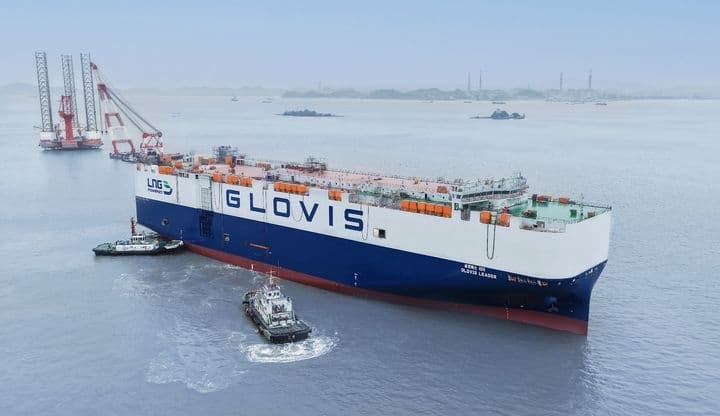
Hyundai Glovis Wins Series of China Battery, Vehicle Shipping Contracts

From Korea to Portelinha: How Doowon Is Changing Lives in Piracicaba, Brazil

LG Electronics Posts Record Q2 Profit as Appliances and Auto Parts Business Shine
