Kenyan Minister Points to South Korea as Model for Merging Heritage and Innovation
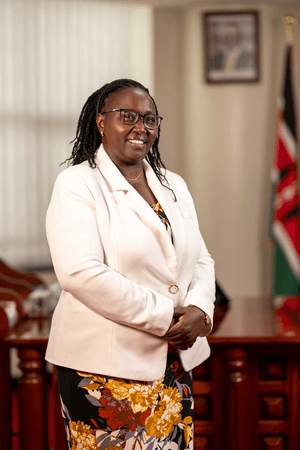
Kenya's Cabinet Secretary for Gender, Culture and Children Services, Hanna Wendot Cheptumo, says South Korea's fusion of heritage preservation and modern technology offers a template for Kenya's cultural diplomacy, tourism and economic strategy.
Kenya's Cabinet Secretary for Gender, Culture and Children Services, Hanna Wendot Cheptumo, says South Korea's fusion of heritage preservation and modern technology offers a template for Kenya's cultural diplomacy, tourism and economic strategy.
Kenya's Cabinet Secretary for Gender, Culture and Children Services, Hanna Wendot Cheptumo, has held up South Korea as an example for nations seeking to turn cultural heritage into an engine of diplomacy, tourism and economic growth. Cheptumo spent nine days in South Korea around the 48th session of the UNESCO World Heritage Committee in Busan, using the trip to explore how Seoul has managed to keep centuries-old traditions alive while embracing rapid modernization.
Speaking to The Korea Herald, Cheptumo said what struck her most was the deliberate care Korea takes in preserving its heritage sites even as it folds them into contemporary life, rather than treating history and progress as separate tracks. She argued that this integrated approach — backed by sustained public investment and close cooperation between government and private industry — helps explain how Korea built a cultural profile that reaches well beyond K-pop and Hallyu into museums, tourism and technology.
During her visit, Cheptumo pursued deeper cooperation with Korean partners in several areas, including the digitization of cultural heritage, artificial intelligence applications for museums, the creative industries and child welfare. She noted growing interest in Korea's use of AI and digital tools in cultural institutions, from immersive exhibitions to smart visitor services, calling digital heritage an emerging frontier for collaboration between the two countries. Kenya, she said, hopes Korean expertise can help accelerate its own shift toward digital archives, virtual museums and AI-assisted heritage management.
Cheptumo also used the visit to push back against narrow perceptions of Kenya abroad, urging Koreans to look past safaris and marathon champions. She pointed to fossil discoveries in the Great Rift Valley that have reshaped scientific understanding of human origins, and highlighted Kenya's UNESCO-listed sites, including Lake Turkana National Parks and the Sacred Mijikenda Kaya Forests. Kenya is also developing a Home of Human Origins Museum and Science Park in the Turkana region, which she hopes will draw more Korean researchers, tourists and travel operators interested in exploring what she called the cradle of humankind.
Beyond government-level cooperation, Cheptumo emphasized that durable partnerships between nations depend on people-to-people ties as much as formal agreements. She expressed hope that Seoul and Nairobi would renew and expand their bilateral cultural exchange arrangement, opening the door to closer collaboration in education, heritage conservation and the creative industries.
For Kenya, she said, culture is increasingly viewed not just as a marker of national identity but as a tool for innovation, tourism promotion and international partnership-building — with South Korea now serving as a key reference point in that strategy.
Where it matters
Related coverage
Lee Jae Myung Wraps Up Five-Nation Tour With Frankfurt Stop
South Korean President Lee Jae Myung concluded a 10-day, five-nation diplomatic swing in Frankfurt, capping a trip that produced new lithium and energy commitments with Argentina and reaffirmed Seoul's push to become a global AI semiconductor hub.

New US Ambassador Michelle Steel Arrives in Seoul, Vows to Strengthen 'Ironclad' Alliance
Lee Jae Myung Kicks Off Latin America Tour, Pitches Region as Key to Korea's Global South Push