Hanwha Aerospace Unveils Korea's First Homegrown Drone Engines
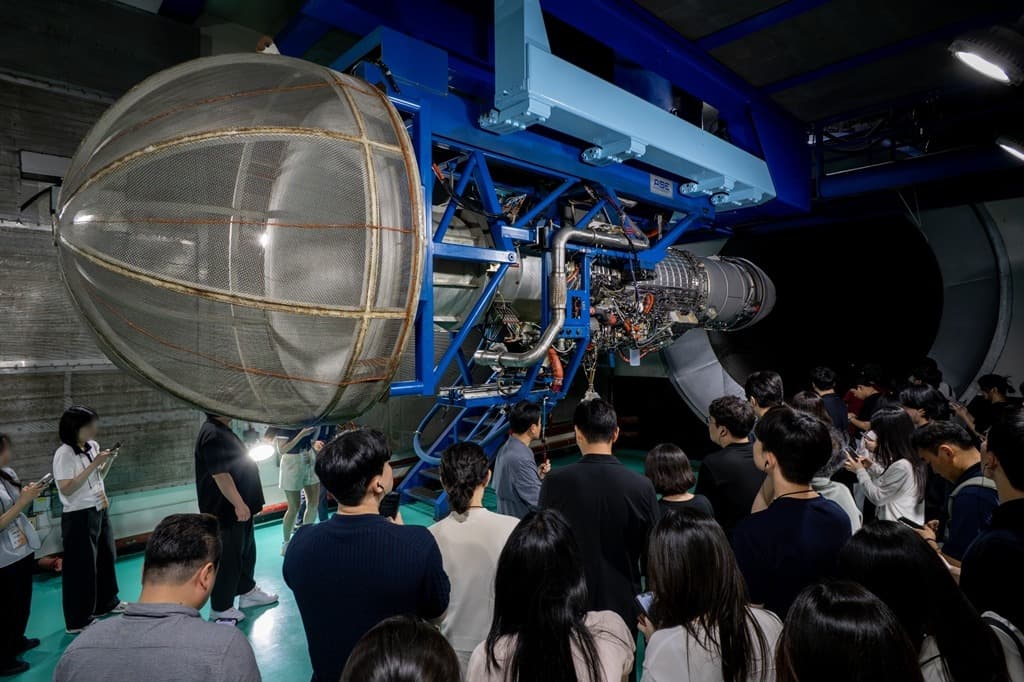
Hanwha Aerospace has revealed South Korea's first domestically developed long-life drone engines, a step toward indigenous aero-propulsion technology that could eventually power a homegrown fighter jet engine.
Hanwha Aerospace has revealed South Korea's first domestically developed long-life drone engines, a step toward indigenous aero-propulsion technology that could eventually power a homegrown fighter jet engine.
CHANGWON — Hanwha Aerospace Co., South Korea's largest defense contractor, has unveiled the country's first homegrown long-life drone engines, marking a notable advance in the nation's drive to build its own aero-propulsion technology.
The engines were presented at the company's plant in Changwon, South Gyeongsang province. Company officials framed the milestone as a foundation for reducing dependence on foreign engine suppliers while supporting South Korea's rapidly expanding ambitions in unmanned military systems.
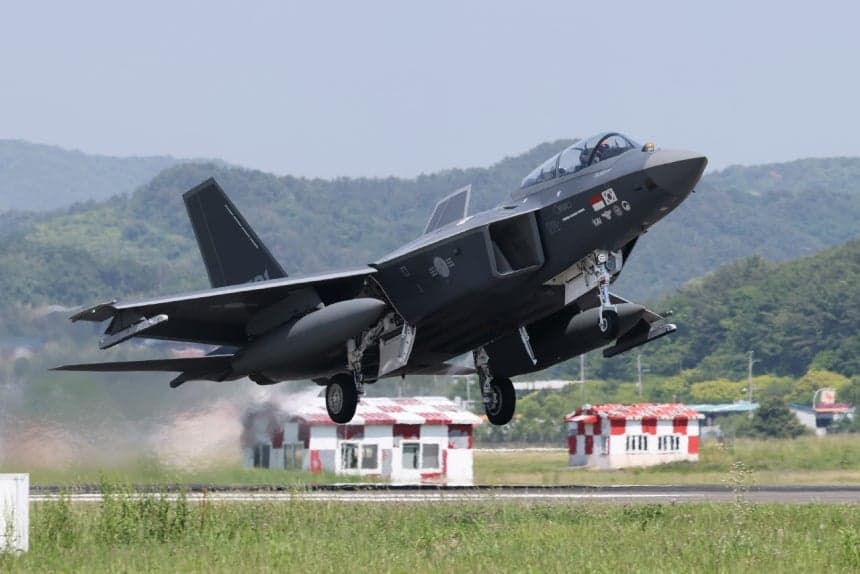
Hanwha said the drone engine effort is a stepping stone toward a much larger goal: developing a 24,000-pound-thrust fighter jet engine that could replace US-made General Electric components currently used on the KF-21 supersonic fighter. Building an indigenous engine for the KF-21 has long been viewed as one of the toughest technical hurdles in Korea's aerospace sector.
Aero-engine design remains among the most demanding areas of defense manufacturing, dominated by a small group of firms in the United States, the United Kingdom, France and a handful of other countries. Korea has historically produced jet engines under license, leaving Seoul reliant on overseas partners for critical technology.
The unveiling reflects a broader national strategy to localize propulsion systems for drones, missiles and combat aircraft as demand for unmanned platforms surges. Hanwha has been expanding its gas turbine engine capacity in Changwon and has explored partnerships to accelerate fighter-engine development.
Analysts say a credible domestic engine capability would strengthen the competitiveness of Korean defense exports, which have grown sharply in recent years, and give the country greater strategic autonomy over the systems it fields and sells abroad.
Related companies
Where it matters
Related coverage

Hanwha Investment Cuts KEPCO Target Price, Cites Energy Price Risk
Indonesia's Commitment to KF-21 Fighter Jet Purchase Wavers
KAI Eyes Follow-On KF-21 Order from Seoul as Indonesia Talks Continue